MEDIOMUNDO at IFoU25 Lisbon

MEDIOMUNDO at IFoU25 Lisbon

Two Lectures on Housing and Urban Futures

At MEDIOMUNDO, led by Marta Pelegrín and Fernando Pérez, we see architecture and urbanism as disciplines in constant dialogue with contemporary challenges. We are pleased to announce that we will be delivering two lectures at the International Forum on Urbanism (IFoU25), to be held in Lisbon from 1 to 4 July 2025, at the Portugal Pavilion designed by Álvaro Siza.

We will present two international experiences:

  •  “Upcycle existing housing in Germany”, focusing on strategies for the sustainable transformation and rehabilitation of existing collective housing.
  • “Cooperative housing in Uruguay”, centred on self-managed and collaborative models for housing access.

IFoU25, under the theme “Future Living”, will bring together universities, research centres, and professionals from around the world to reflect on the future of urban and rural life. This year, we are honoured to share the stage with leading international experts such as Gehl Architects, Richard Sennett, Giovanna Borasi (Director and Chief Curator, Canadian Centre for Architecture), and Tiago Mota Saraiva (Ateliermo), among others.

Our participation highlights the importance of collaboration, critical vision, and creativity in addressing today’s and tomorrow’s urban and territorial challenges.

More information about the conference at https://ifou2025.fa.ulisboa.pt/.

MEDIOMUNDO en IFoU25 Lisboa: futuro urbano y colaboración
MEDIOMUNDO participa como conferenciante en IFoU25 Lisboa, reflexionando sobre el futuro urbano junto a referentes internacionales en arquitectura y urbanismo.
MEDIOMUNDO en IFoU25 Lisboa: futuro urbano y colaboración
Review of “Operational Ambiguity” by F. González de Canales

Review of “Operational Ambiguity” by F. González de Canales

By Marta Pelegrín (MEDIOMUNDO arquitectos)
Published in NEUTRA Magazine No. 20.2025

At MEDIOMUNDO arquitectos, the dialogue between theory and practice is a constant. For this reason, we are pleased to share the review of Operational Ambiguity, the latest book by Francisco González de Canales, published in issue 20 of NEUTRA Magazine. This essay, released by Ediciones Asimétricas, delves into ambiguity as a creative and strategic driver in contemporary architecture.


An essay on ambiguity as a strategy

González de Canales presents the challenge of what he calls “operational ambiguity”, a concept that, far from being contradictory, emerges as a fundamental tool for architectural design and criticism. The author uses Michel Serres’ metaphor of the “rope and the knot” to explain how architecture can oscillate between fixed rules and open spaces, generating environments conducive to interaction and constant reinterpretation by its users.

The book invites readers to discover and propose new ambiguities that can be inserted into the contemporary cultural context, understanding architecture as a field of experimentation and open dialogue.

Reseña de "Ambigüedad operativa", un ensayo de F. González de Canales sobre la ambigüedad como motor creativo en la arquitectura contemporánea.

A critical and referential journey

The review highlights how González de Canales, through thorough documentation, analyses poetic, cultural and architectural practices where ambiguity becomes a creative, communicative and projective strategy. The text not only revisits the etymology and philosophical background of the term, but also connects it with the work of thinkers such as Aristotle, Wittgenstein, Locke, María Zambrano and Ortega y Gasset, emphasising the relationship between ambiguity and the human “vital reason”.

The author identifies paradigmatic examples in the work of architects such as Mies van der Rohe, Le Corbusier, Aldo Rossi, Venturi-Scott Brown, Louis Kahn and Álvaro Siza. In these cases, ambiguity is manifested in the relationship between interior and exterior, in memory and the playful experience of space, in the critique of cultural paradigms, and in the indeterminacy of scales and boundaries.


An invitation to reflection and criticism

Far from immediacy and superficiality, Operational Ambiguity proposes a profound reflection on the role of ambiguity in architecture, inviting us to rethink where a place begins and what value the built environment brings to its inhabitants. The book thus becomes an essential reference for those seeking new critical and creative tools in the architectural field.

At MEDIOMUNDO, we share the view that ambiguity, far from being an obstacle, can open up innovative paths in the design process and in architectural communication, allowing for multiple readings and enriching the experience of space.

We highly recommend this stimulating read to anyone interested in contemporary architecture and the possibilities that ambiguity offers as a driver of innovation and critical thinking.

Download the full review in PDF

Reseña de "Ambigüedad operativa", un ensayo de F. González de Canales sobre la ambigüedad como motor creativo en la arquitectura contemporánea.
Research and Practice on the Margins of Regulatory Norms in Post-War Siedlungen of the Rhine-Main Region

Research and Practice on the Margins of Regulatory Norms in Post-War Siedlungen of the Rhine-Main Region

Introduction to the Study

We are pleased to share the publication of our article in issue 38 of the scientific journal Astrágalo, dedicated to “Emancipatory Housing”. In “Research and Practice on the Margins of Regulatory Norms in Post-War Siedlungen of the Rhine-Main Region”, we address the challenge of updating and transforming social housing built in Germany after the Second World War, especially in the Rhine-Main region.


Rethinking the Post-War Residential Legacy

The article builds on the recent policy of rehabilitating German social housing, focused on constructive and energy improvements, to propose a broader reflection on the inherited space and domestic programme. Although these Siedlungen possess great social, architectural and urban value, many present programmatic obsolescence and limited adaptability to contemporary needs.

Faced with the inertia of normative solutions and standardisation, we defend the importance of small interventions and experimental projects that can initiate emancipatory processes and open up new ways of living. We analyse the case of several neighbourhoods designed by Ernst May’s studio in Mainz, where we tested modular devices and participatory strategies to reprogram domestic and collective spaces.

Actualización de Siedlungen en Rin-Meno
Fig. 3a. 1:10,000 scale map showing the location of the 1950-70 housing estates analysed as a case study, built between 1950-70 on the periphery of Mainz, Germany: 1. Berliner Siedlung; 2. Lerchenberg; 3. Mombach West; 4. Mombach Ost; 5. Neustadt. Fig. 3b. 1:500 scale map of the central area of Berliner Siedlung. M. Pelegrín, F. Pérez. D. Ercin, 2023. Source: Preliminary report of the research project “H&O?”.
Actualización de Siedlungen en Rin-Meno
Fig. 4. Aerial photograph of the Berliner Siedlung housing estate, Mainz, Germany. 1969. Author: Wolfgang Lemp Source: Landeshauptarchiv Koblenz/LU15346

Innovation, Participation and Diversity

Our research proposes integrating not only technical improvements into rehabilitation plans, but also participatory design processes that allow residents to reconfigure their homes and communal spaces according to their actual needs: working from home, caregiving, intergenerational living, etc. The development of modular prototypes and real-scale mock-ups has made it possible to visualise and discuss new possibilities for use and adaptation with residents and administration.

The approach relies on transdisciplinary collaboration between technicians, administration and neighbourhood associations, and seeks to replicate these strategies in other residential complexes in the region, contributing to sustainability, diversity and urban quality of life.

Final Reflections

The work concludes that, alongside physical consolidation and energy improvement measures, it is both possible and necessary to incorporate spatial and typological interventions that respond to the plurality of current ways of living. These small, yet significant transformations allow for population retention, facilitate the coexistence of diverse groups and provide greater flexibility and resilience to the existing residential stock.


Full Reference:

Pelegrín-Rodríguez, M., & Pérez Blanco, F. (2025). Research and Practice on the Margins of Regulatory Norms in Post-War Siedlungen of the Rhine-Main Region. Astrágalo. Cultura De La Arquitectura Y La Ciudad, 1(38), 239-261. https://doi.org/10.12795/astragalo.2025.i38.10

Consult the full article:
You can download the PDF with the full text of the article here

Or, consult the complete issue of the journal at:
View of Research and Practice on the Margins of Regulatory Norms in Post-War Siedlungen of the Rhine-Main Region

Reopening of the Deutsches Architektur Museum – Frankfurt

Reopening of the Deutsches Architektur Museum – Frankfurt

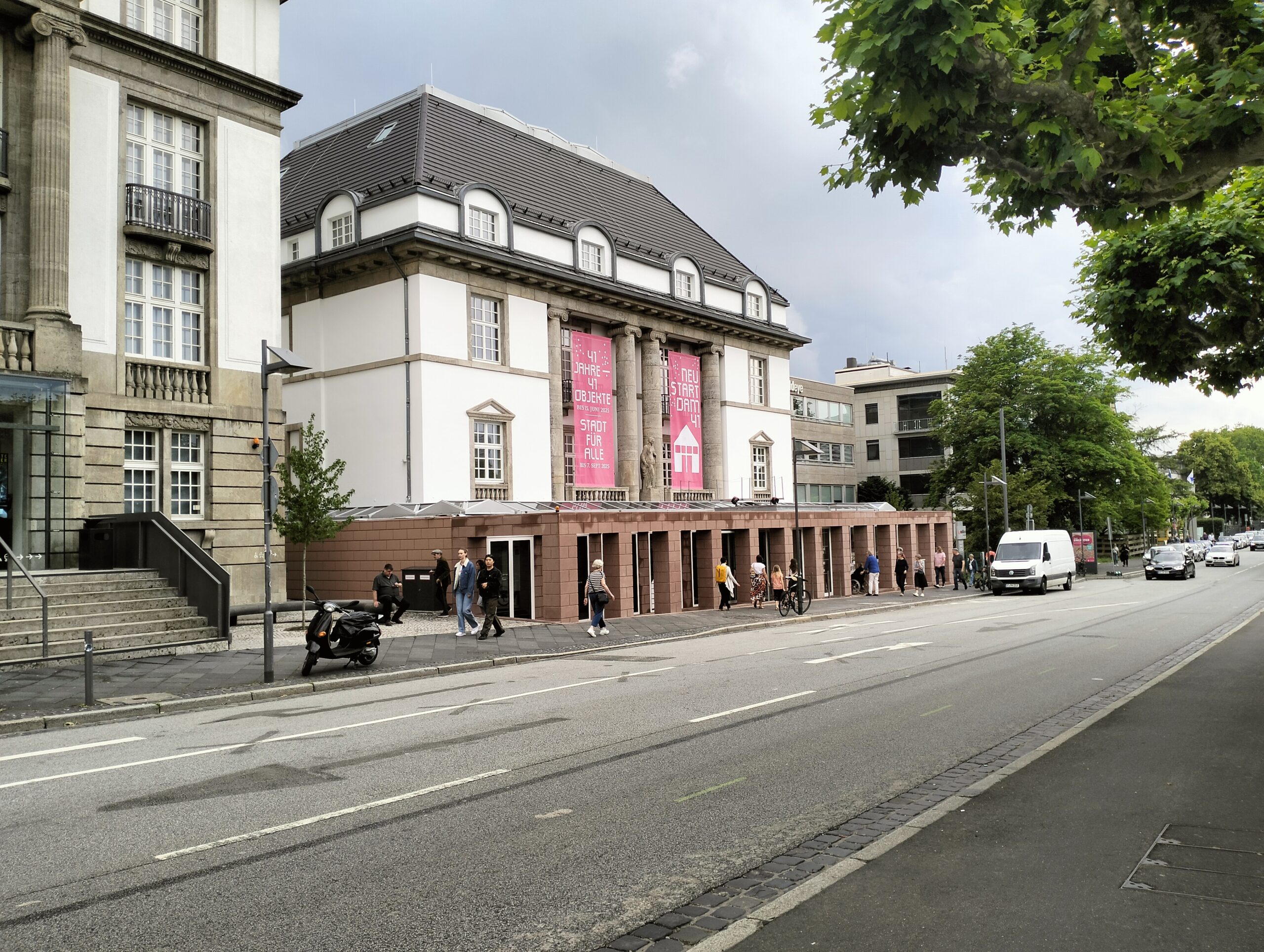
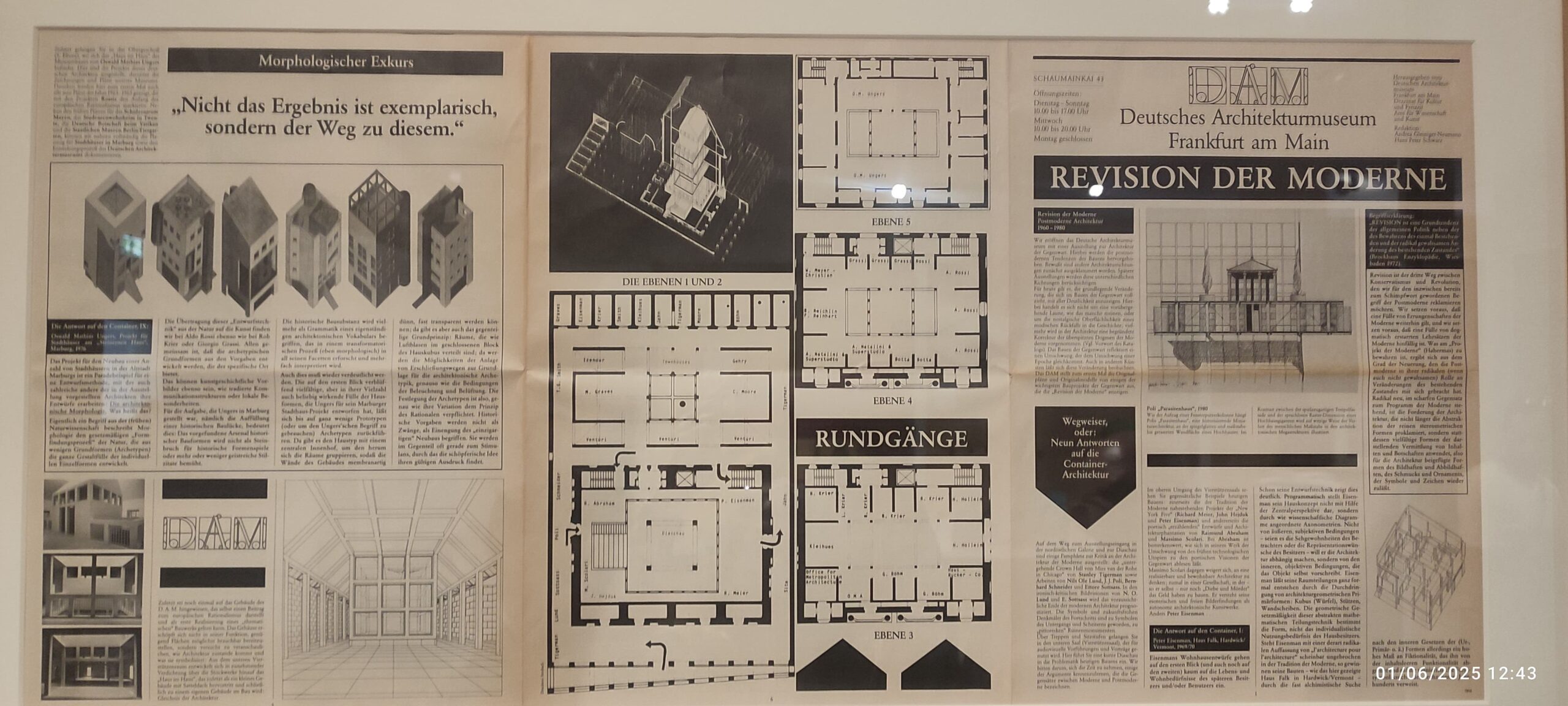
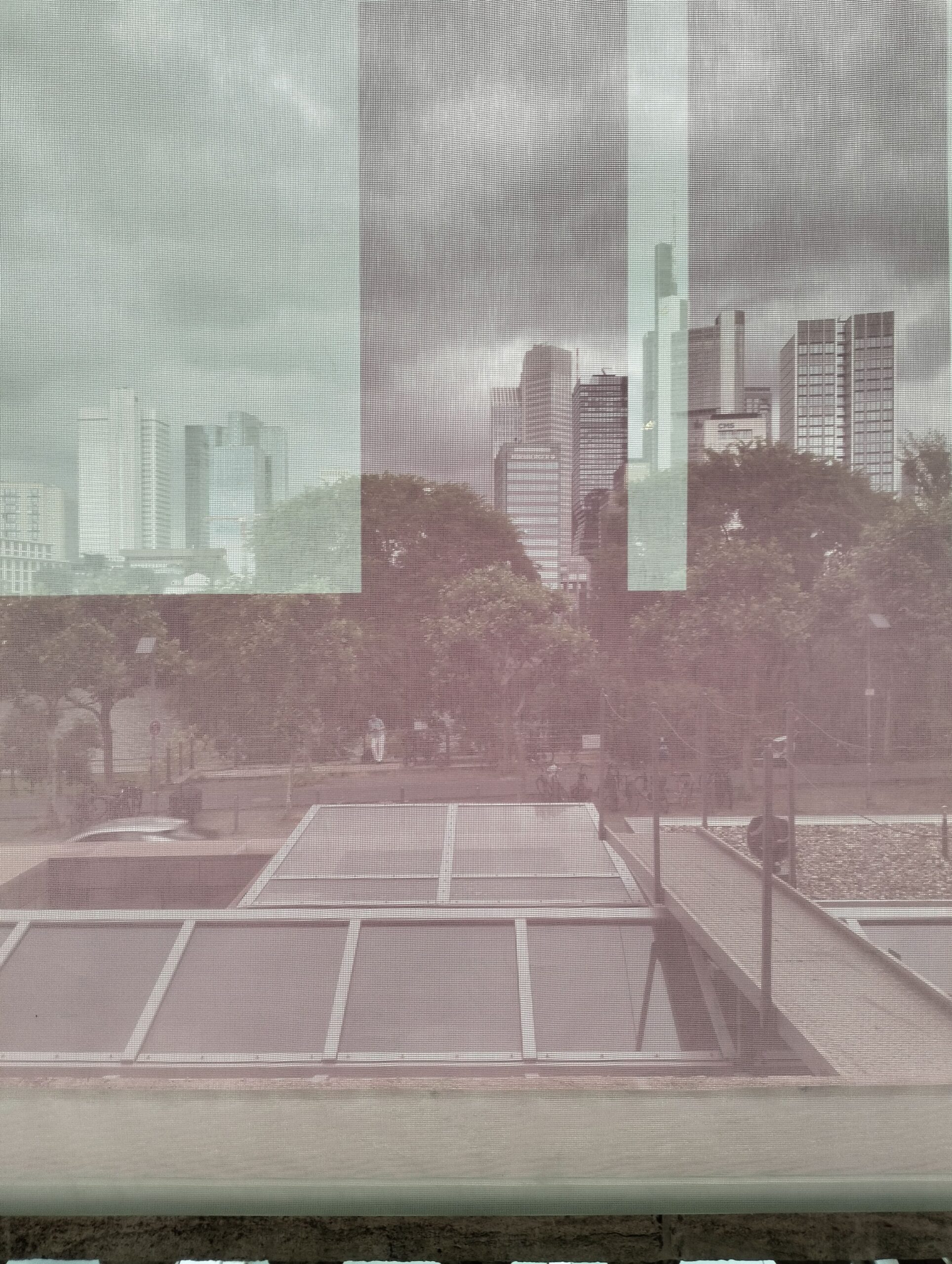
Marta Pelegrín and Fernando Pérez, founders of MEDIOMUNDO arquitectos, took part in the reopening of the Deutsches Architektur Museum (DAM) in Frankfurt, an international reference point for reflection and dissemination of contemporary architectural culture. The building, designed by Oswald Mathias Ungers, has recently been restored and adapted to host new exhibitions under the direction of Peter Cachola Schmal and Andrea Jürgen.

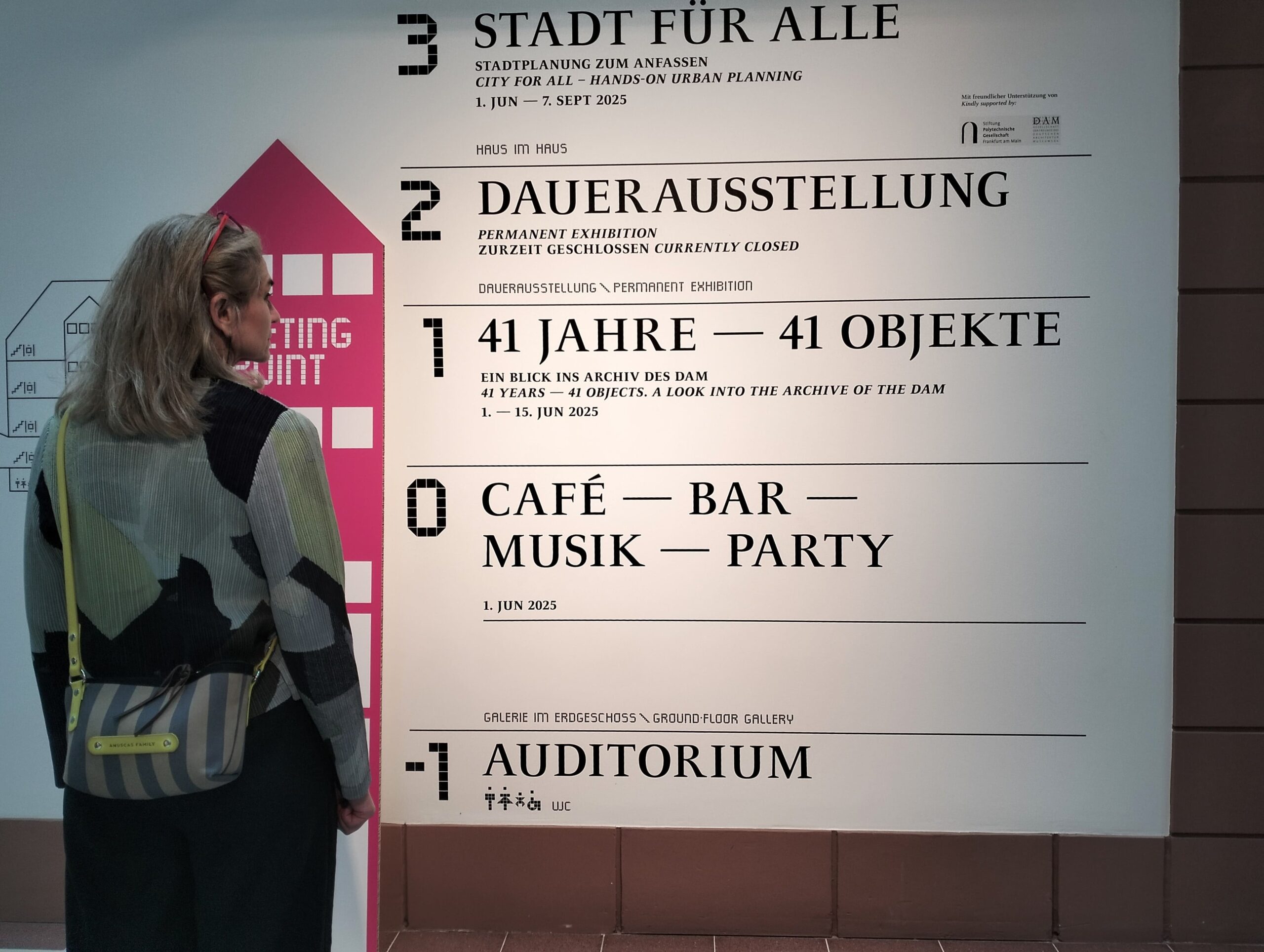
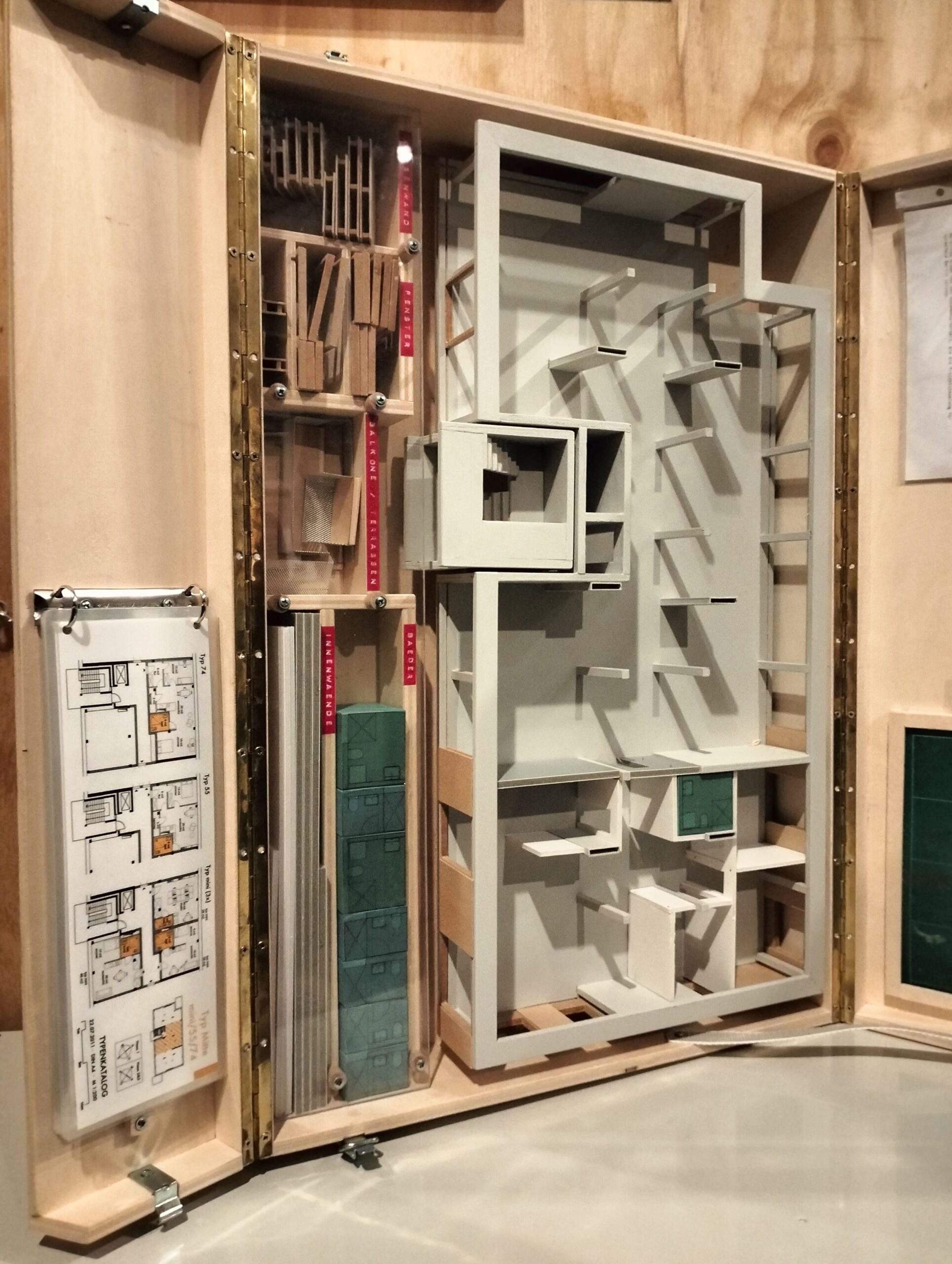
In this new phase, the museum showcases a selection of 41 emblematic objects from its archives, such as the aluminium containers from the Frankfurter Küche by Margarete Schütte-Lihotzky, the original newspaper-leaflet from the 1984 opening, and the suitcase-model of the collaborative housing project by BaR Architekten, which allowed cooperative members to adjust the proposal in a practical way.

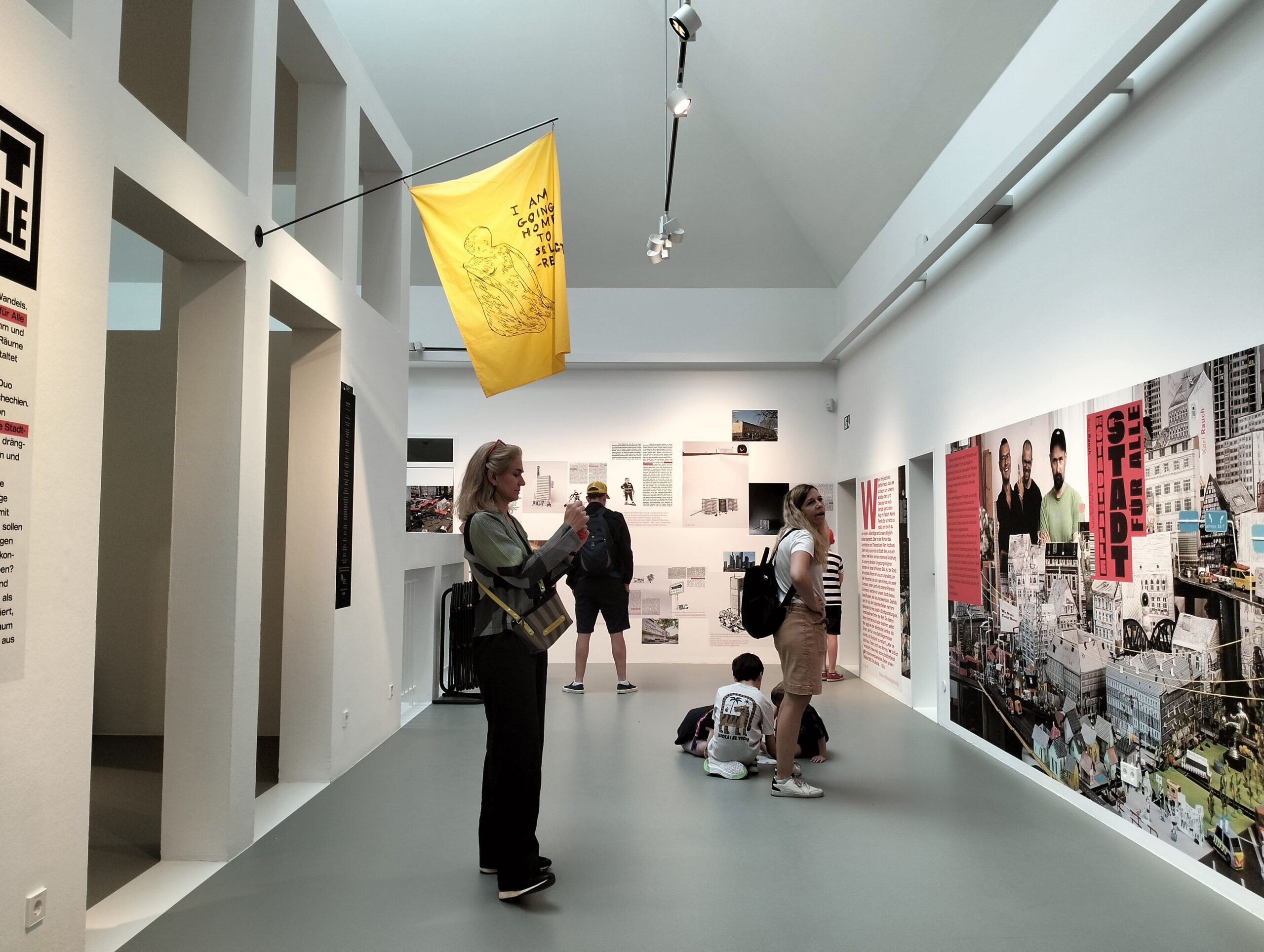
The exhibition “Stadt für alle: City for All” presents, through an assemblage of urban archetypes, a multiplicity of images and perspectives that invite visitors to reflect on their level of involvement in decisions regarding infrastructure, housing, and public space design.

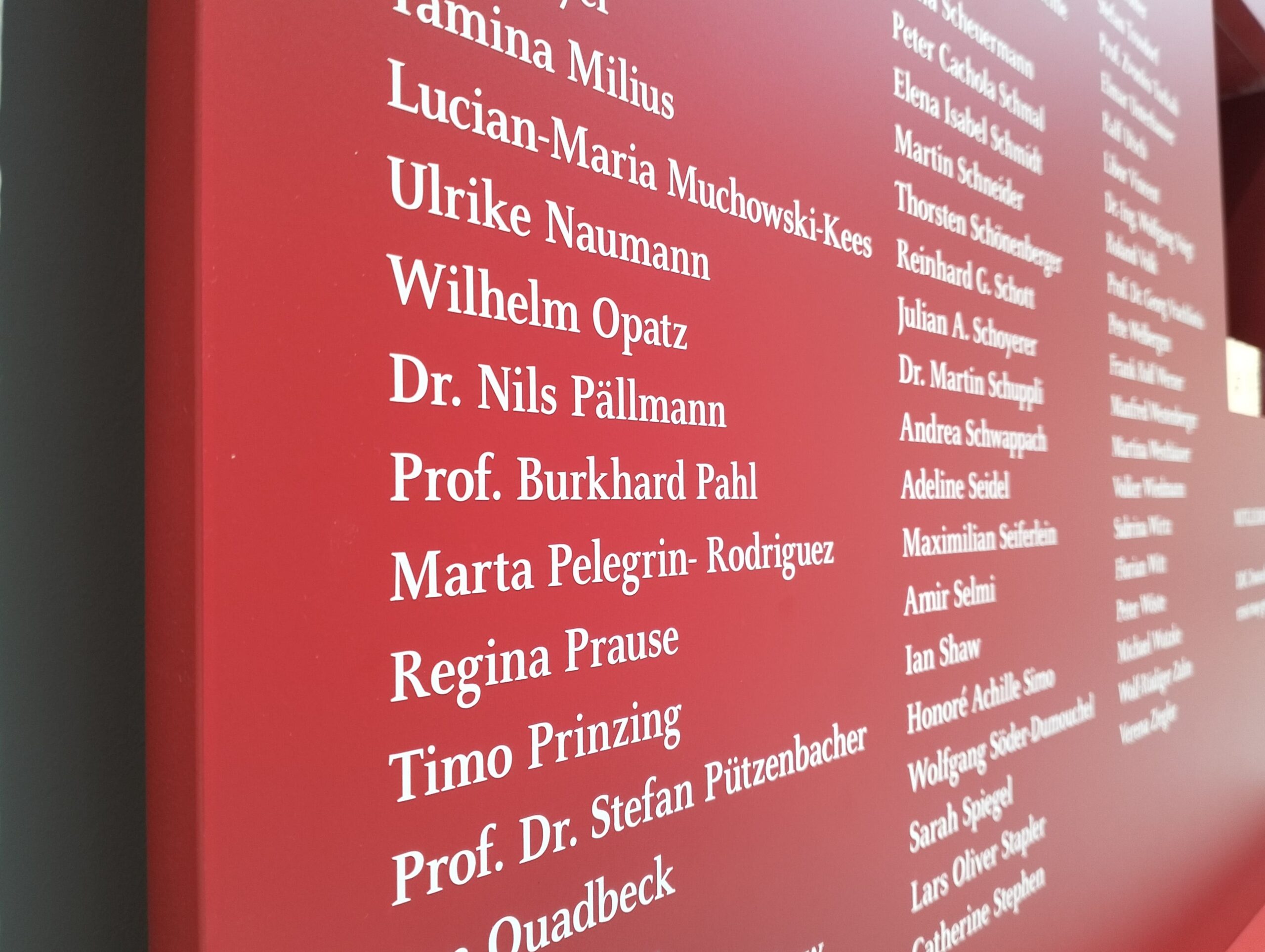
MEDIOMUNDO’s presence at this international event reinforces their commitment to research, participation in cultural networks, and a critical perspective on urban transformation processes. Additionally, Marta Pelegrín-Rodríguez is part of the museum’s friends’ team, as listed among the featured collaborators.

Re-inauguración del Deutsches Architektur Museum – Frankfurt
Faculty of Health Sciences, University of Granada

Faculty of Health Sciences, University of Granada

At MEDIOMUNDO arquitectos, we are pleased to share the recent video produced by the Heritage Service of the University of Granada, which explores the spaces of the Faculty of Health Sciences, designed by our studio in 2015. The building was conceived to foster academic life and interaction, and is characterised by its sobriety, simplicity, and sensitivity to context—values that define our work and design philosophy.

We are delighted to see how these spaces have come to life and become an integral part of university life, just as we intended from the outset. However, we have noticed that the recent signage on the façade and the placement of the flags have not followed the principles of integration and respect for the original architecture. We would have appreciated being consulted on these interventions to ensure the coherence of the whole.

We thank the University for the opportunity to continue presenting architecture as a space open to learning, exchange, and university life.

Architecture and tourism. Córdoba visit with MEDIOMUNDO

Architecture and tourism. Córdoba visit with MEDIOMUNDO

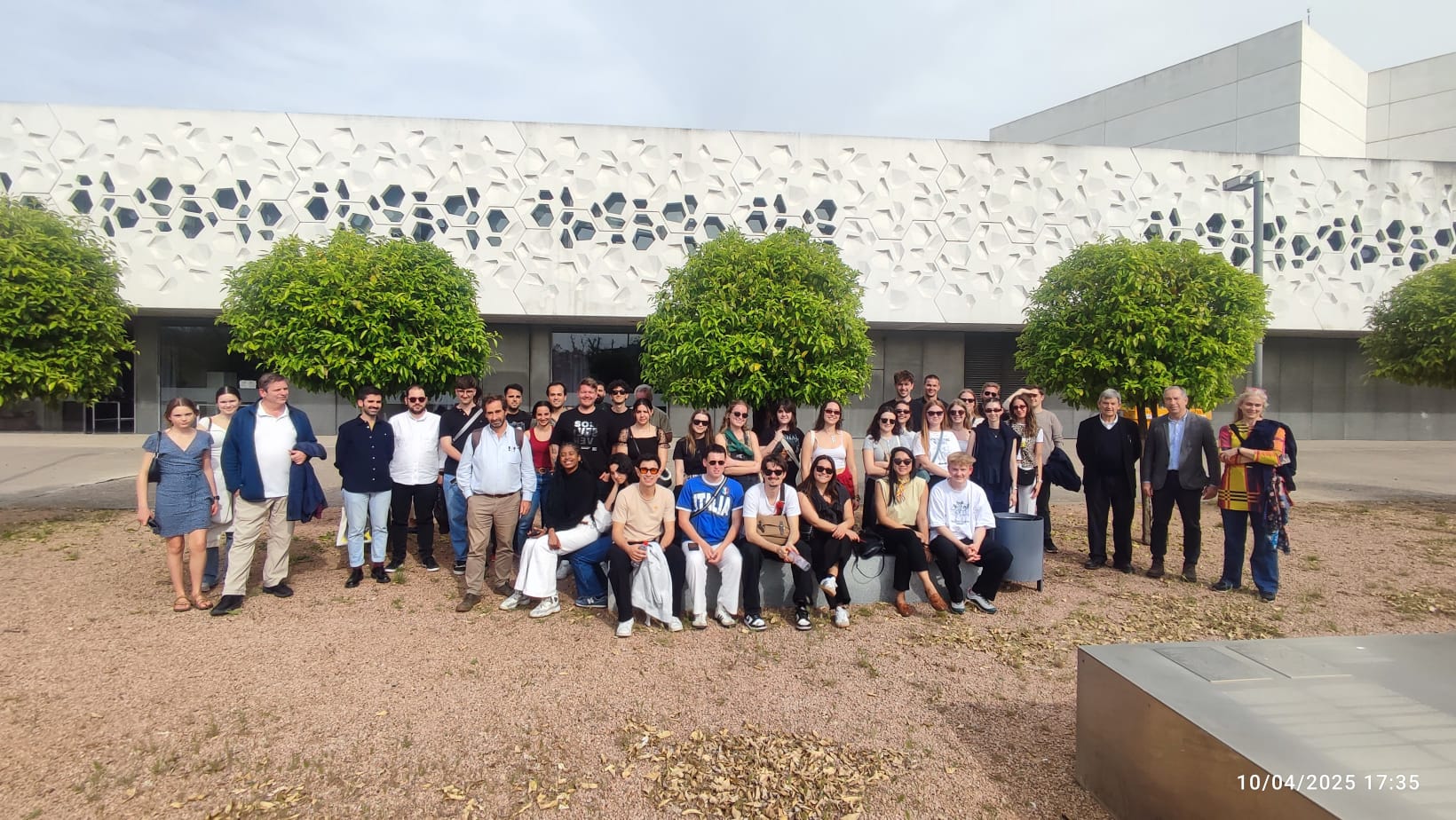
As part of the International Workshop: Improving the city through tourism, organised by the ETS of Architecture in Seville, we visited the city of Córdoba to analyse the relationship between tourism, heritage, and contemporary architecture. The activity included the participation of leading studios such as MEDIOMUNDO (Fernando Pérez and Marta Pelegrín), who contributed their innovative vision and experience in urban and sustainable interventions.

During the day, we explored key sites such as Molino de Martos, the Water Museum (2006, Juan Navarro Baldeweg), the conservation and restoration project by Gabriel Ruiz Cabrero and Gabriel Rebollo, the Centre for Contemporary Creation of Andalusia (C3A, 2013, Nieto Sobejano), and the Public Library (2024, Paredes Pedrosa). Each visit offered an opportunity to reflect on the challenges and opportunities of architecture in historic cities.

The experience highlighted the importance of collaboration among professionals and the need for a multidisciplinary approach to improve cities through tourism and architecture.

Arquitectura y turismo. Visita a Córdoba con MEDIOMUNDO