Visit to a House Refurbished by Angelo Bucci with the University of Frankfurt

Visit to a House Refurbished by Angelo Bucci with the University of Frankfurt

At MEDIOMUNDO, we understand architecture as a continuous learning process, open to dialogue and collaboration. Recently, we had the opportunity to take part in a visit to a house refurbished by the renowned Angelo Bucci studio, accompanied by the project’s own architects as well as students and professors from the University of Frankfurt.

The house, with its simple exposed concrete structure, was conceived from the outset as a hybrid space, able to accommodate both domestic life and work. The intervention highlights the spatial quality of the double-height area, where coloured volumes are inserted and anchored, creating a dynamic scene open to the exterior.

Experiences like this reinforce our belief in the importance of sharing knowledge and exploring new ways of inhabiting, always attentive to the relationship between the existing and the contemporary. The visit became a space for exchange and reflection on the challenges and opportunities offered by contemporary architecture.

Visita a una vivienda rehabilitada por Angelo Bucci junto a la Universidad de Frankfurt
Vilamajó House: Interior Landscape and Domestic Exploration

Vilamajó House: Interior Landscape and Domestic Exploration

At MEDIOMUNDO, Marta Pelegrín and Fernando Pérez conceive architecture as a process of research, learning, and dialogue with both history and the contemporary context. Recently, together with students and professors from the University of Frankfurt, we had the opportunity to revisit the Vilamajó House Museum in Montevideo, now a research centre for the Faculty of Architecture.

The experience allowed us to delve into the spatial richness of the house, where the different levels, garden, and exterior terraces frame a dynamic interior landscape. Each route reveals a sequence of domestic scenes—almost dreamlike visions of alternative ways of living—that invite further exploration into the boundaries and possibilities of contemporary domesticity.

We are especially grateful to Mónica Nieto and the Institute of History at the Faculty of Architecture, UDELAR, for their warm welcome and guidance, which enabled us to deepen our understanding of Julio Vilamajó’s work and its relevance as a reference for current architecture.

Casa Vilamajó: paisaje interior y exploración doméstica
Cravotto House: Restoration, Memory, and Dialogue with the City

Cravotto House: Restoration, Memory, and Dialogue with the City

At MEDIOMUNDO, Marta Pelegrín and Fernando Pérez conceive architecture as a process of research, learning, and dialogue with history and the urban context. Recently, together with students and professors from the University of Frankfurt, we had the opportunity to visit the Cravotto House in Montevideo, the home and studio of architect Mauricio Cravotto, currently undergoing restoration to become the headquarters of the Cravotto Foundation.

Thanks to the generosity of the foundation and Soledad Cebey, head of the archive, we were able to access original documents from the project—a living testimony to the careers of Mauricio and Antonio Cravotto, two key figures in Uruguayan architectural and urban culture.

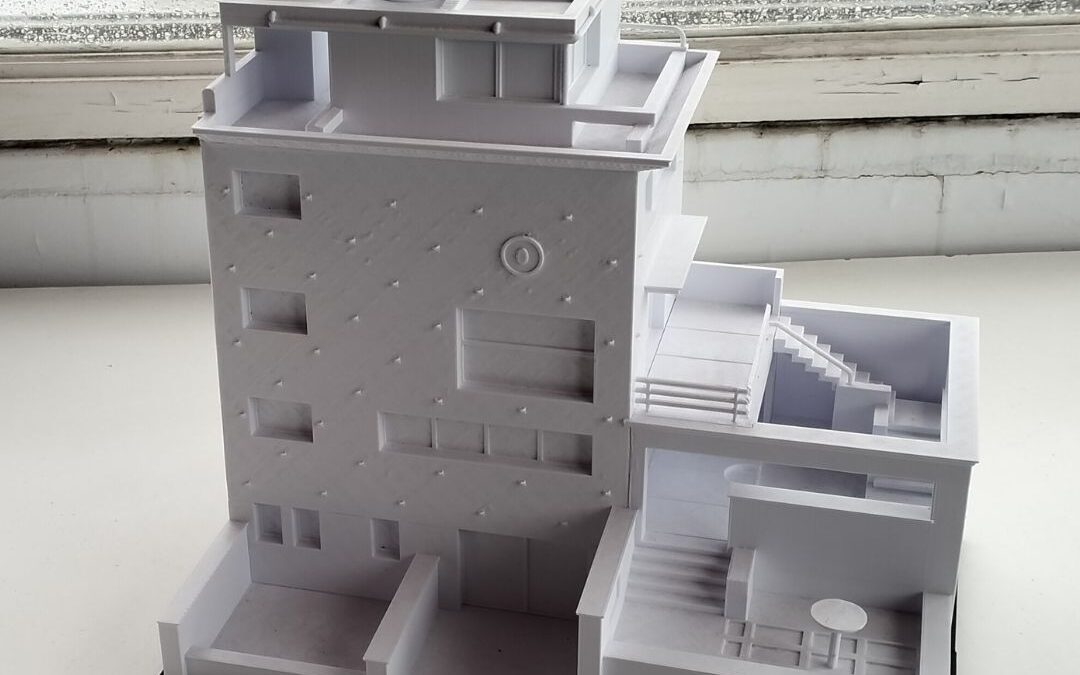
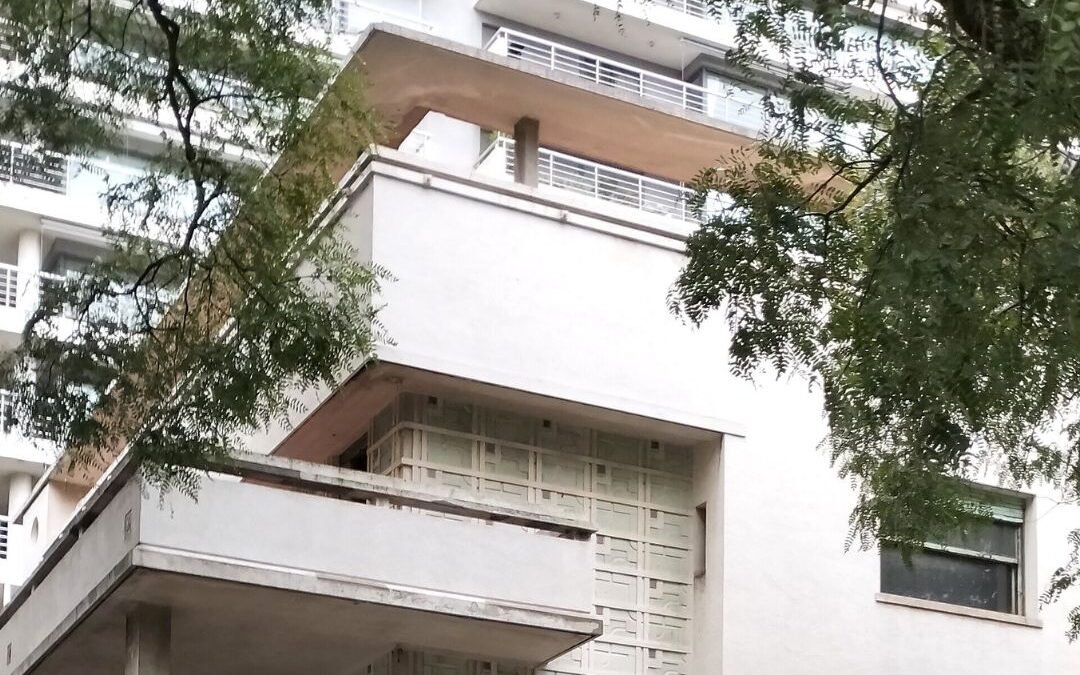
Declared a Historic Monument, the Kalinen house-studio is a pioneering example of Uruguayan modernity. Organised over four levels, carved from a single volume, the house resolves the relationship between interior and exterior with both austerity and finesse, using balconies, terraces, setbacks, and textures to engage in dialogue with the city and its era.

This experience invites us to reflect on the importance of preserving and activating architectural heritage, and on the value of memory and legacy in shaping new perspectives for contemporary architecture.

Casa Cravotto: restauración, memoria y diálogo con la ciudad
Dieste House

Dieste House

Material Honesty and Structural Innovation

At MEDIOMUNDO, Marta Pelegrín and Fernando Pérez conceive architecture as a process of research, learning, and open dialogue with both international and local references. Recently, together with students and professors from the University of Frankfurt, we had the opportunity to revisit the Dieste House in Punta Gorda, Montevideo—an essential work by engineer and architect Eladio Dieste, designed and built for his own family between 1961 and 1963.

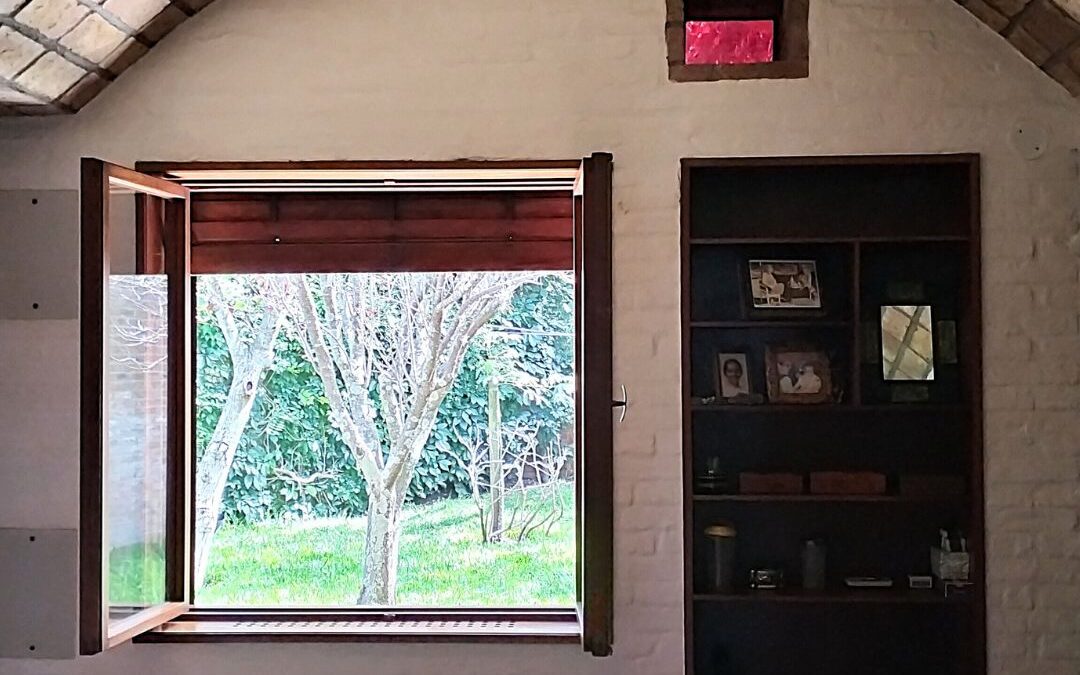
The house stands out for the richness of its spatial sequences and constructive simplicity, where each transition between interior and exterior is carefully orchestrated. The spatial empathy is evident in the immediacy of the materials and the sincerity with which the structural innovations are displayed: the exposed edges of the brick vaults are shown without artifice, revealing Dieste’s technical mastery and sensitivity.

We are especially grateful to architects Esteban Dieste and Daniel Christoff for their generosity and guidance during the visit, which allowed us to deepen our understanding of a work that continues to inspire new ways of inhabiting and designing, rooted in material honesty and innovation.

Casa Dieste: honestidad material e innovación estructural
Curutchet House

Curutchet House

International Dialogue and Spatial Experimentation

At MEDIOMUNDO, Marta Pelegrín and Fernando Pérez understand architecture as a process of research, exchange, and continuous learning. Recently, together with students and professors from the University of Frankfurt, we had the opportunity to revisit the Curutchet House in La Plata, Argentina—an iconic work that exemplifies international collaboration and spatial experimentation.

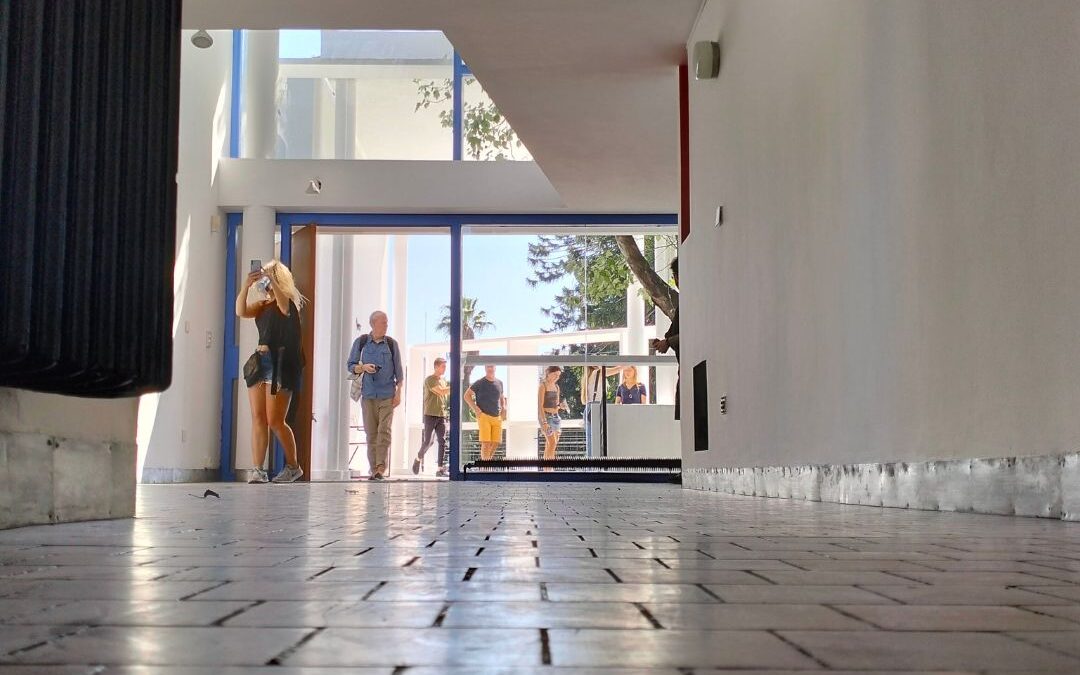
Designed by Le Corbusier at the request of Dr Curutchet and realised by the Argentine architect Amancio Williams, the house stands as a reference point for modern architecture and remote teamwork. Williams’ contribution was decisive in shaping the final spatial qualities: the sequence of entrances, the turn of the staircase, spatial filters, and the negotiation that allowed the use of the “Modulor” instead of the Argentine regulations of the time. All of this enabled the exploration of new ways of inhabiting and understanding the relationship between architecture, context, and regulation.

This experience reinforces our belief in the importance of learning from major references, exploring architecture as a field open to international dialogue, and continuing to research adaptation, innovation, and spatial quality.

Casa Curutchet: diálogo internacional y experimentación espacial