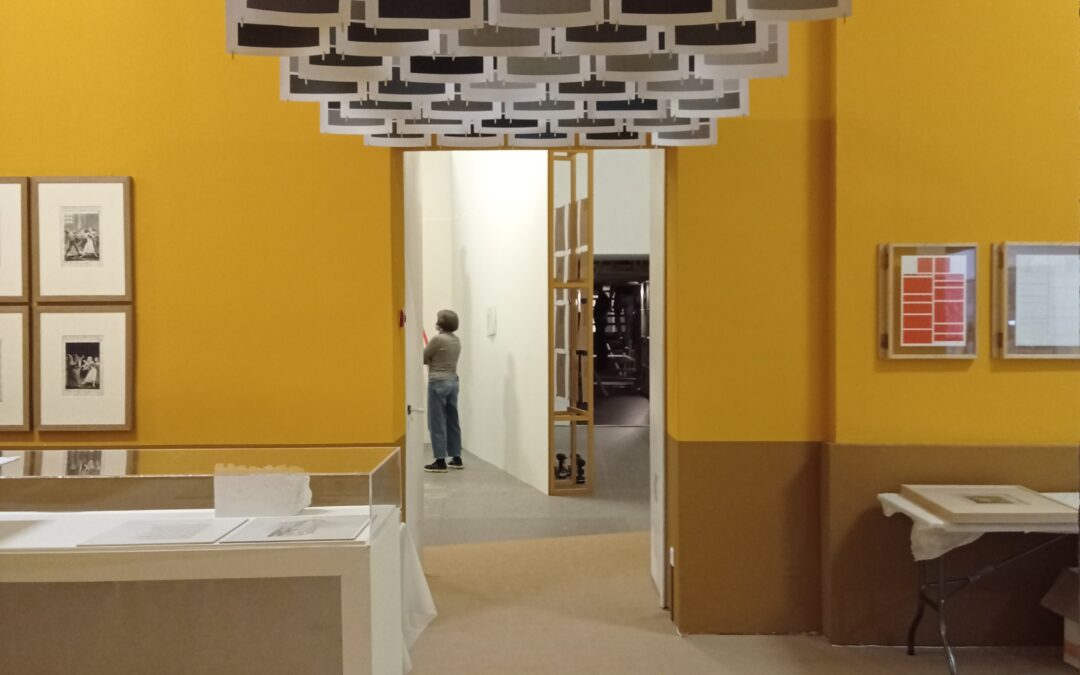
Spatialisation of the “Máquinas de Trovar” Exhibition at the Reina Sofía Museum

Spatialisation of the “Máquinas de Trovar” Exhibition at the Reina Sofía Museum

At MEDIOMUNDO, led by Marta Pelegrín and Fernando Pérez, we conceive architecture as a process of research and dialogue with contemporary art and culture. We look back with particular satisfaction on our involvement in the “Máquinas de Trovar” exhibition by Pedro G. Romero, inaugurated at the Museo Nacional Centro de Arte Reina Sofía, and we celebrate the recent National Visual Arts Prize 2024 awarded to Pedro. Congratulations!

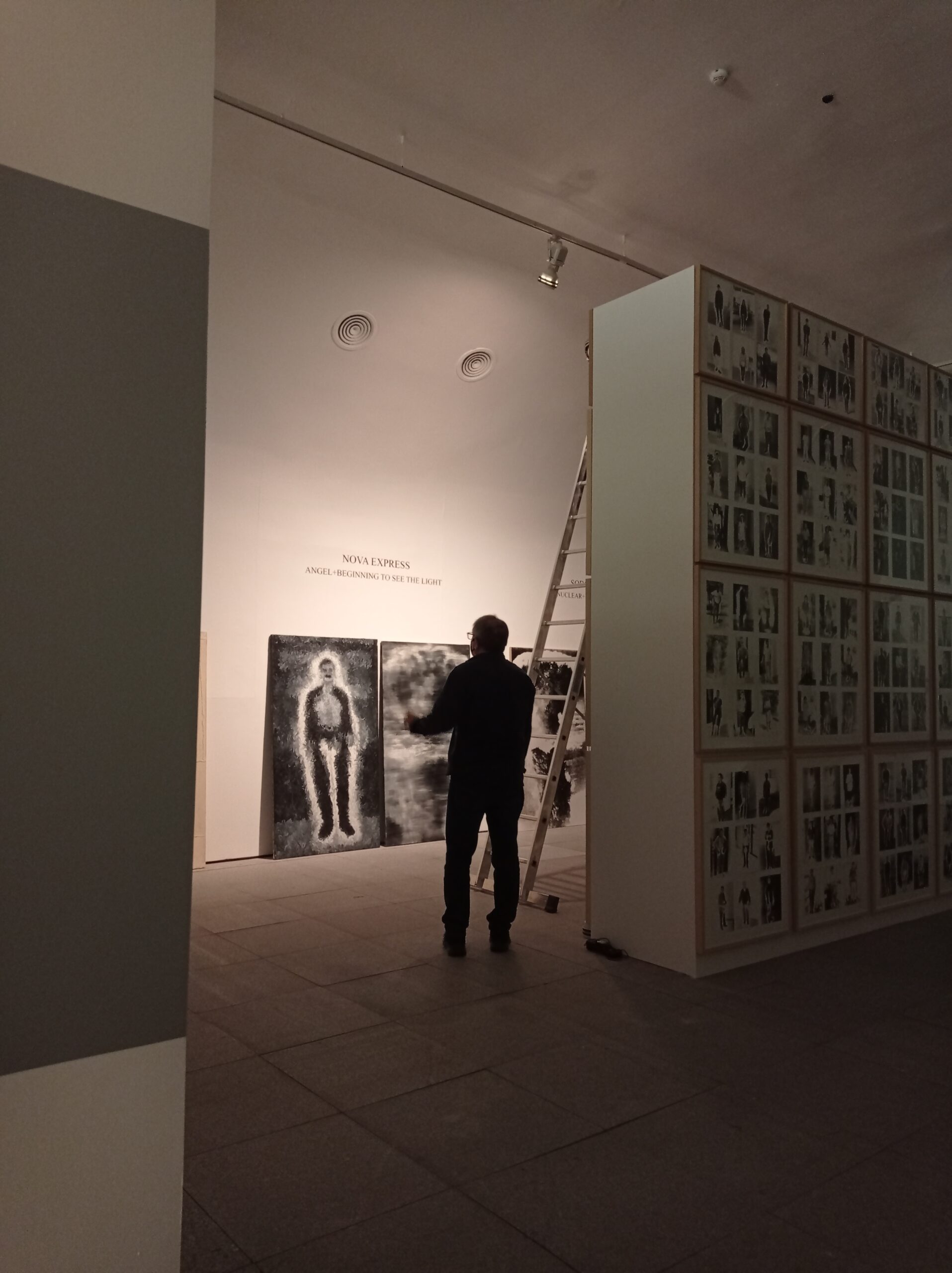
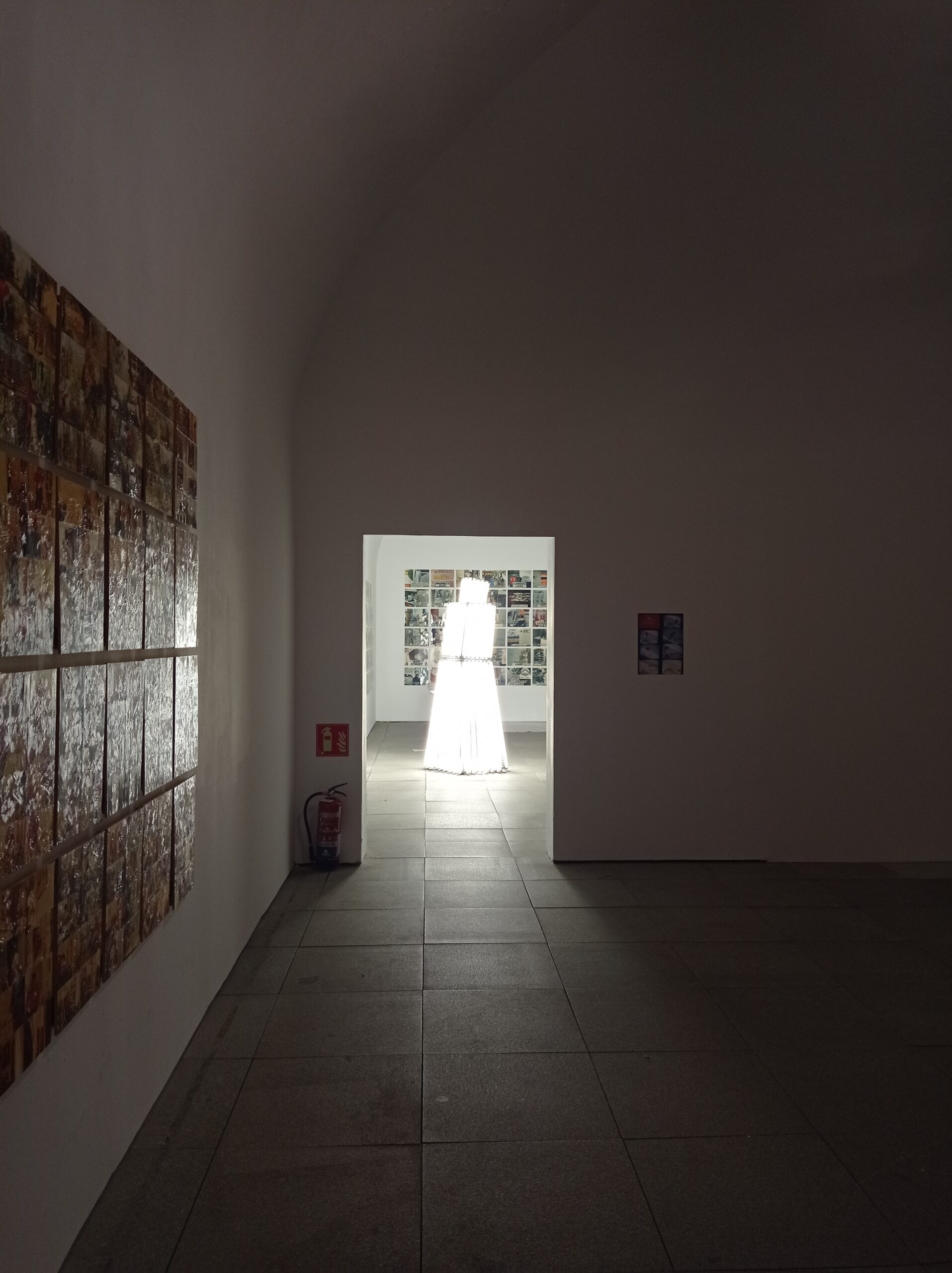
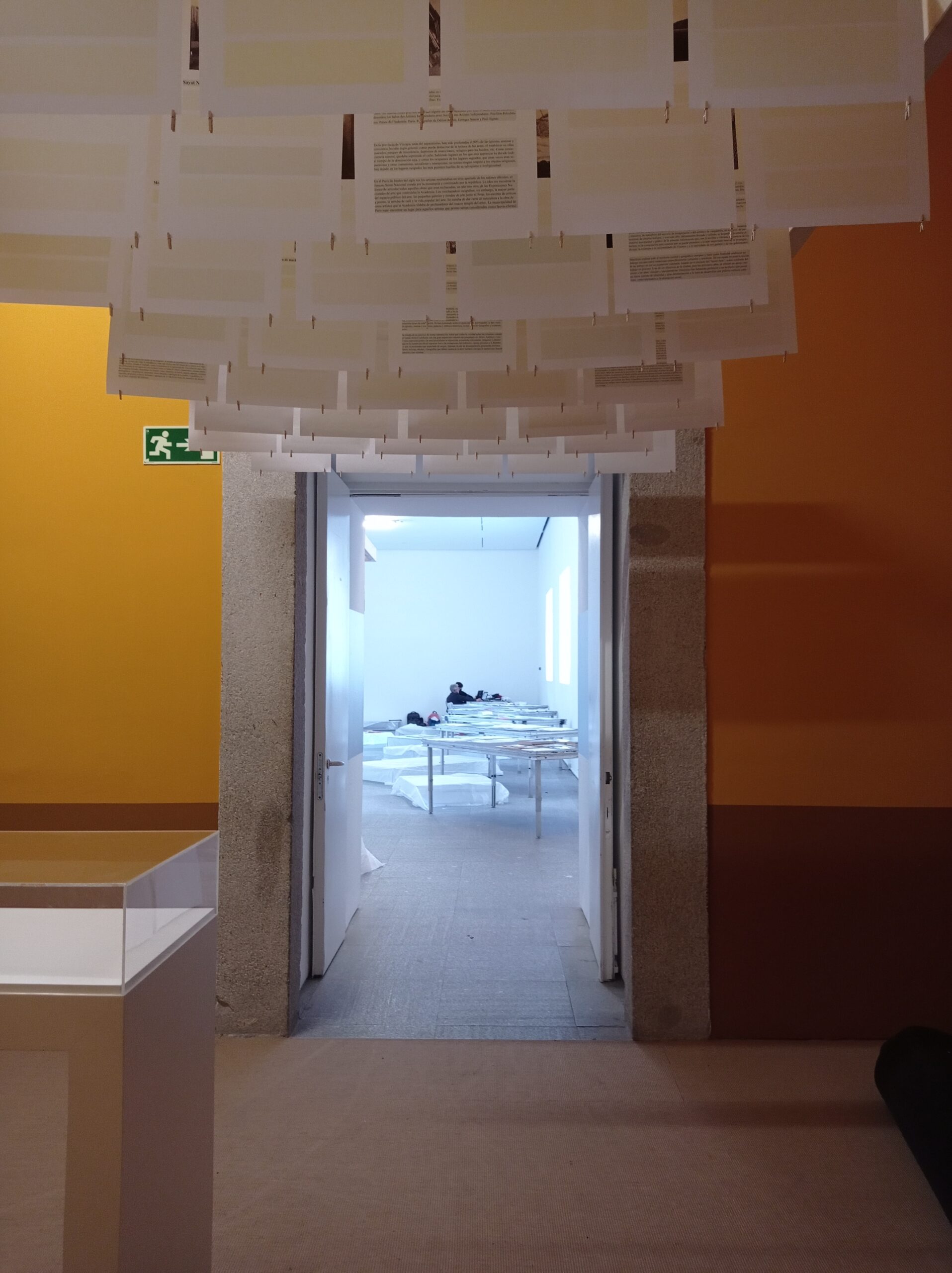
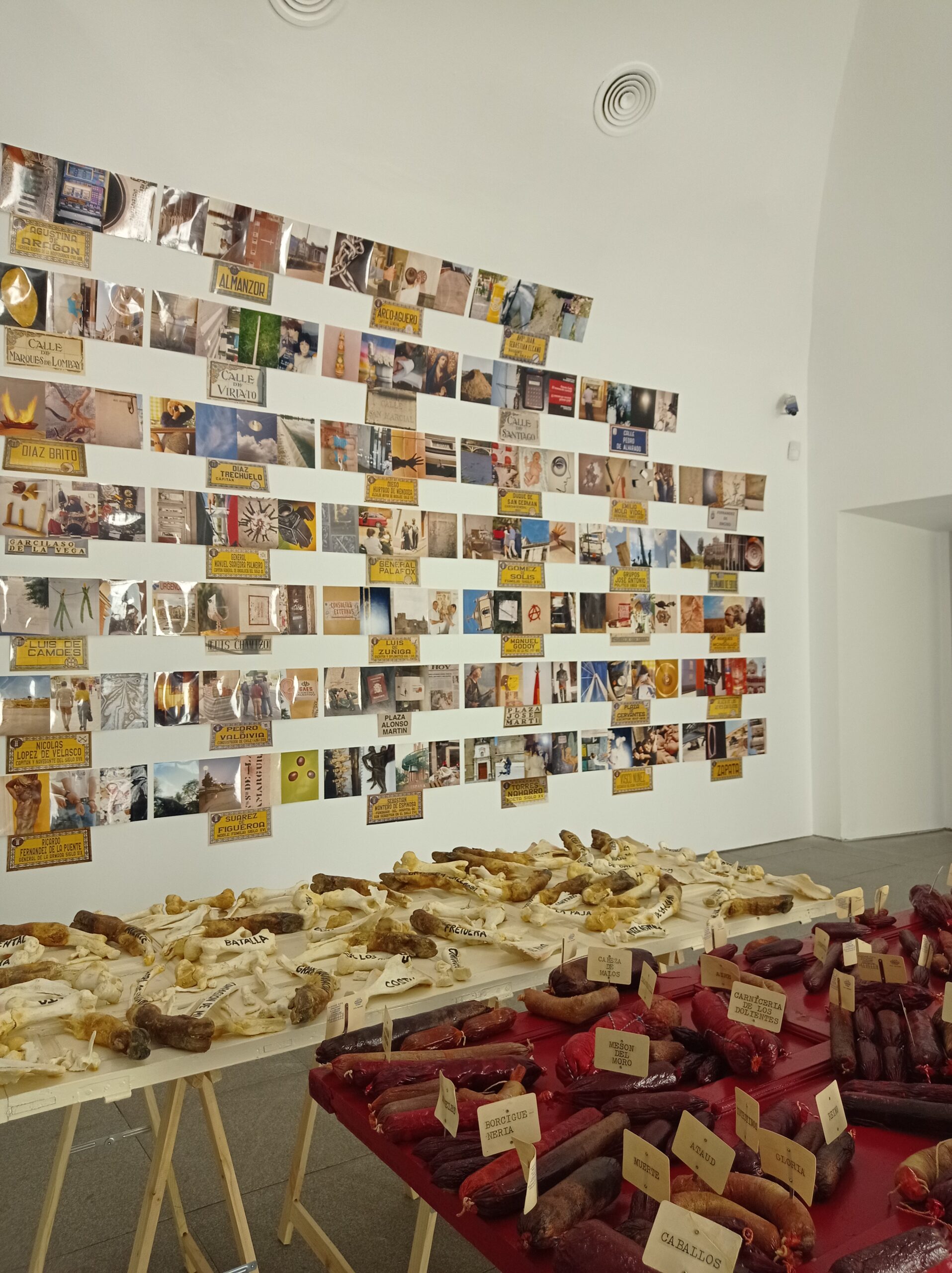
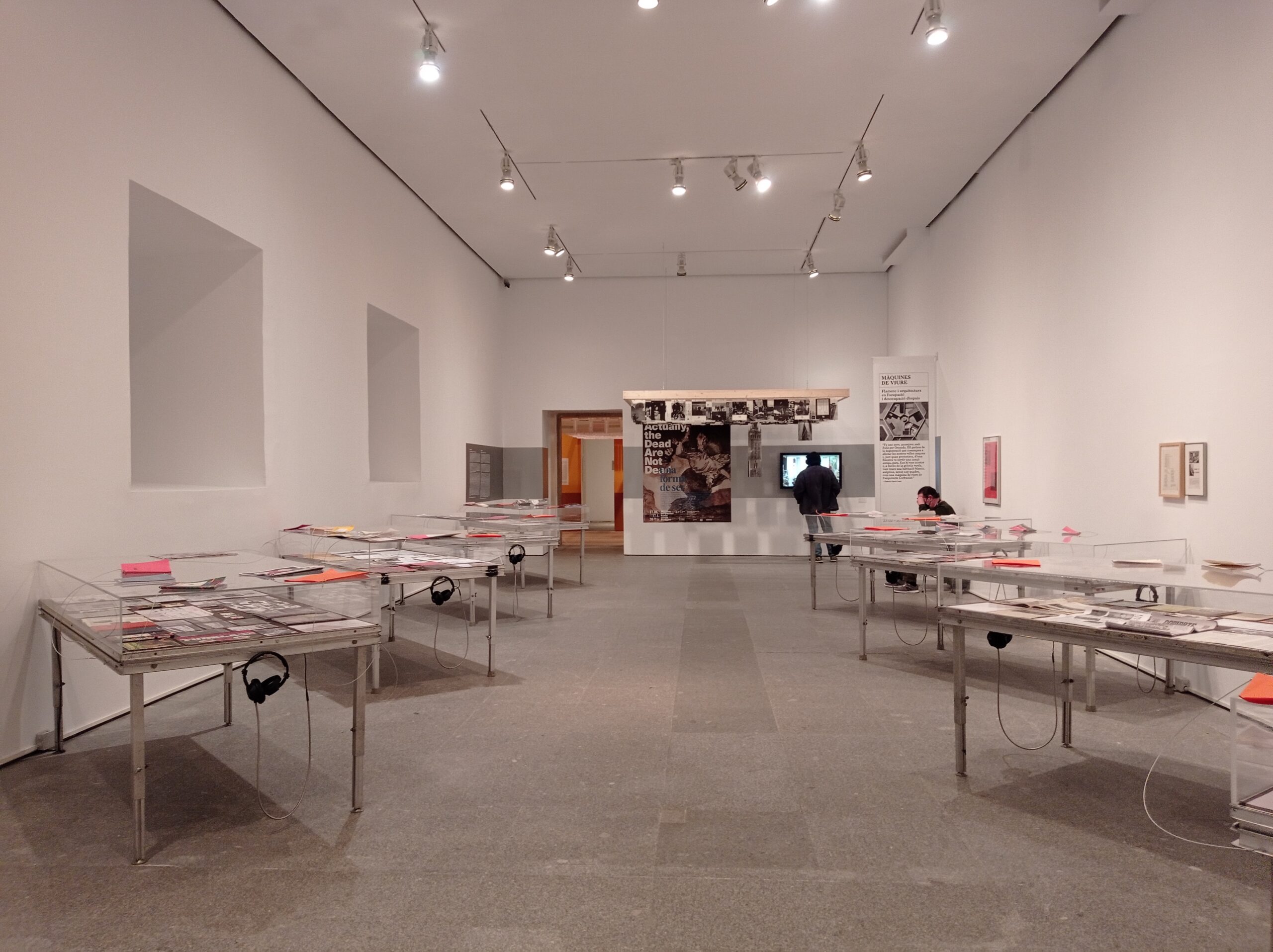
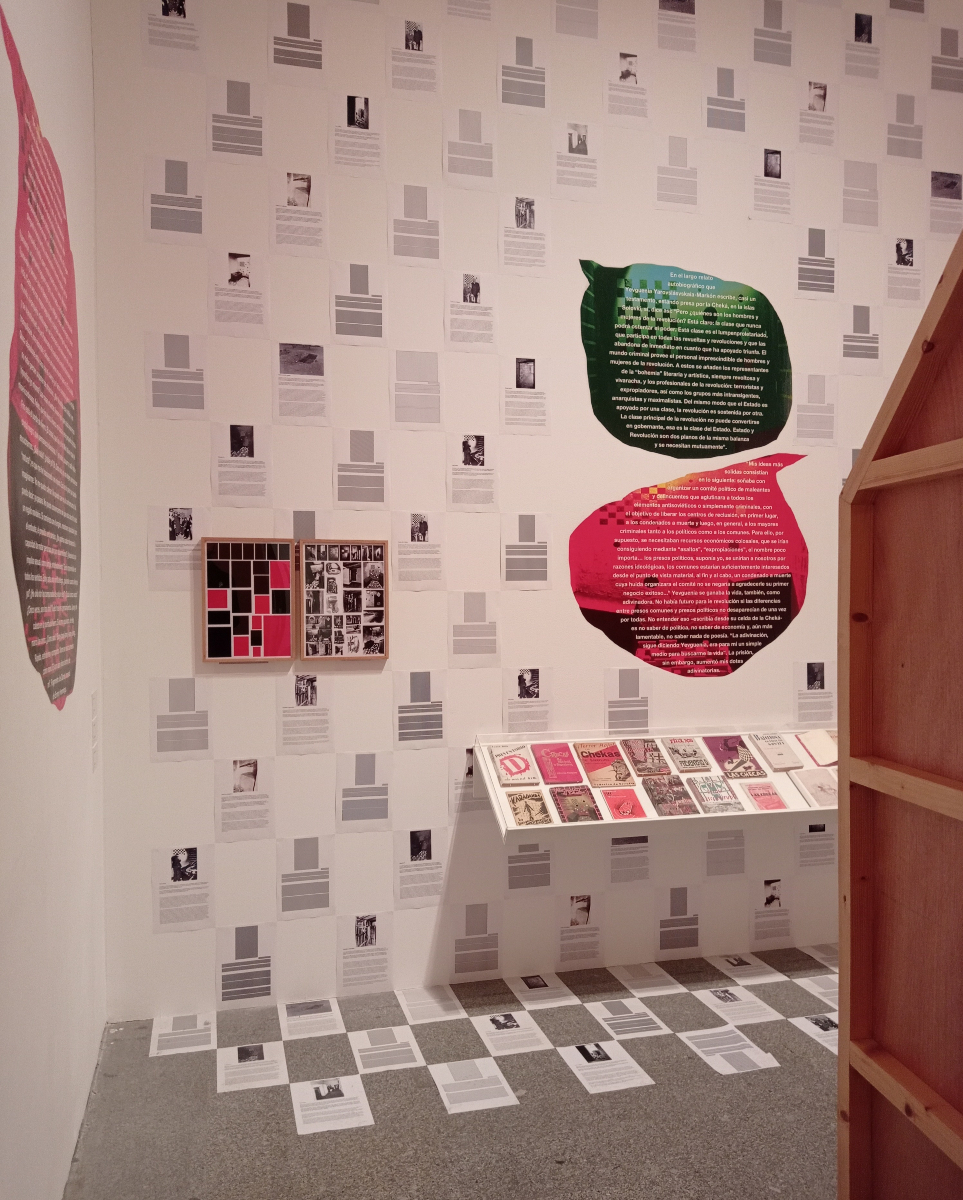
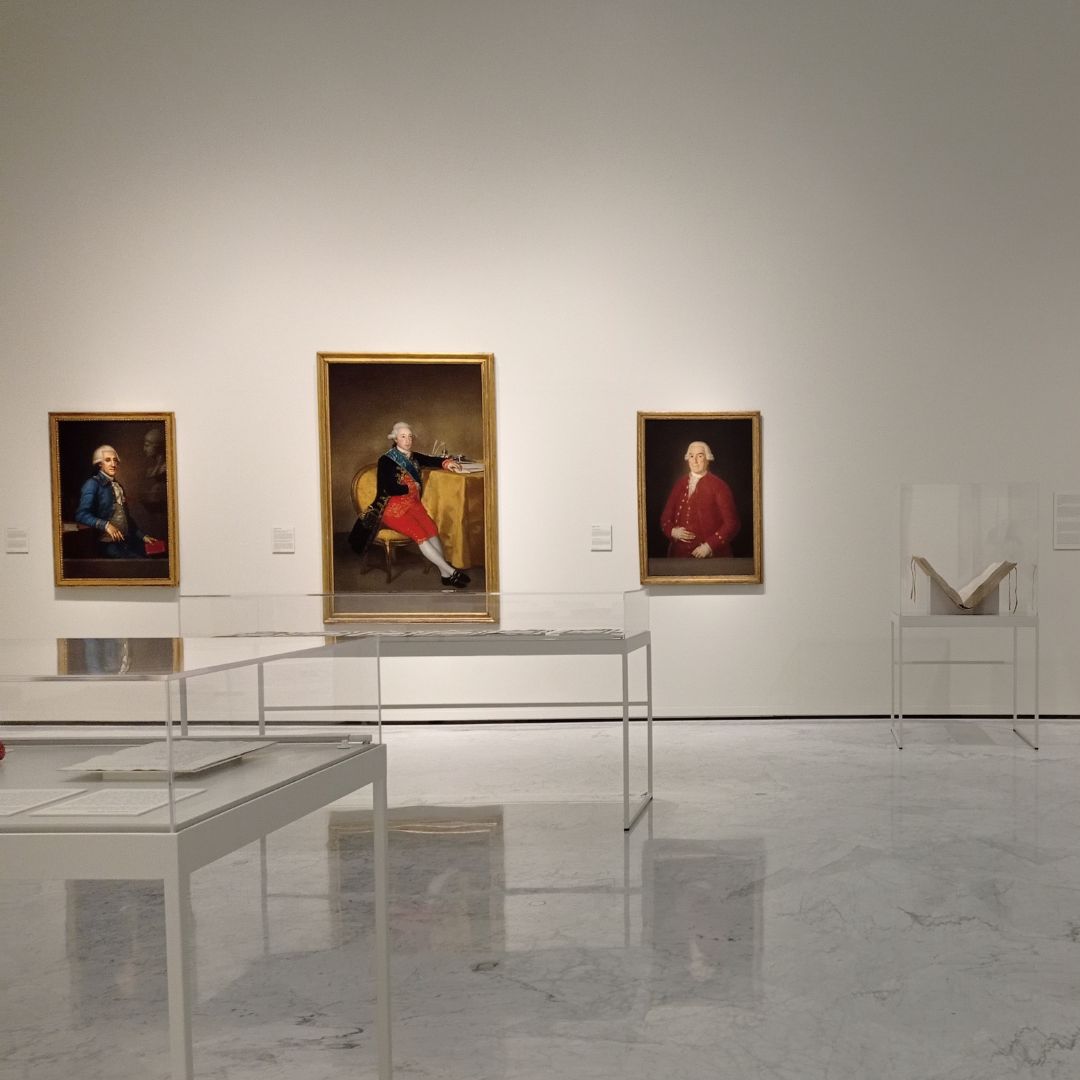
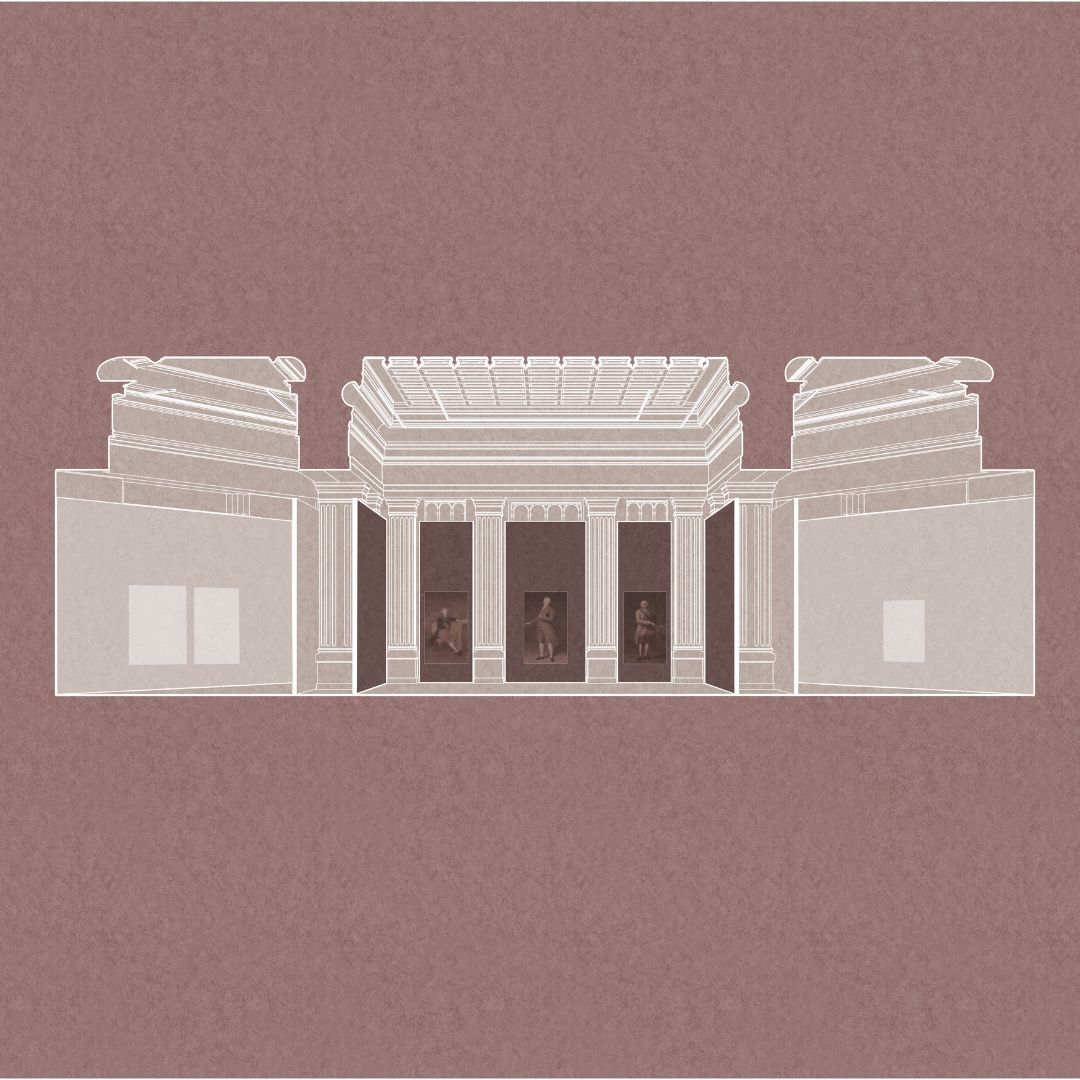
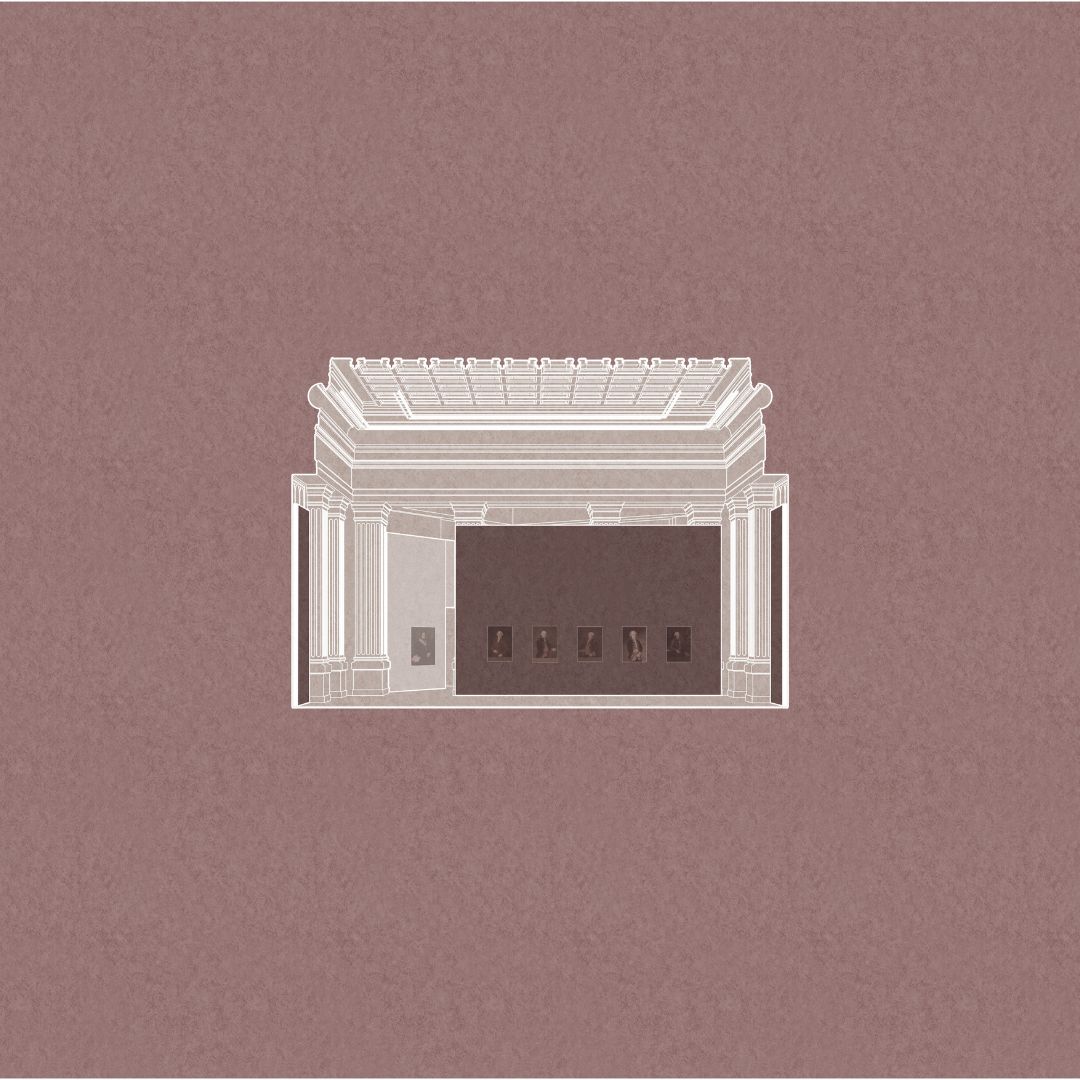
Together with Antonio Marín, we worked on the spatialisation of Pedro G. Romero’s work (3 November 2021 – 28 March 2022, Sabatini Building), taking on the challenge of creating an exhibition device that not only accompanied the artist’s vision, but also explored the curator’s role as a generator of narratives. The exhibition was conceived as an essay on the very nature of the exhibition device, capable of articulating stories through the association of artworks, documents, and audiovisual materials.

At MEDIOMUNDO, we are committed to exhibition architecture that enhances the artistic and narrative experience, creating flexible and evocative spaces that engage with both the works and the public, enriching the cultural experience.
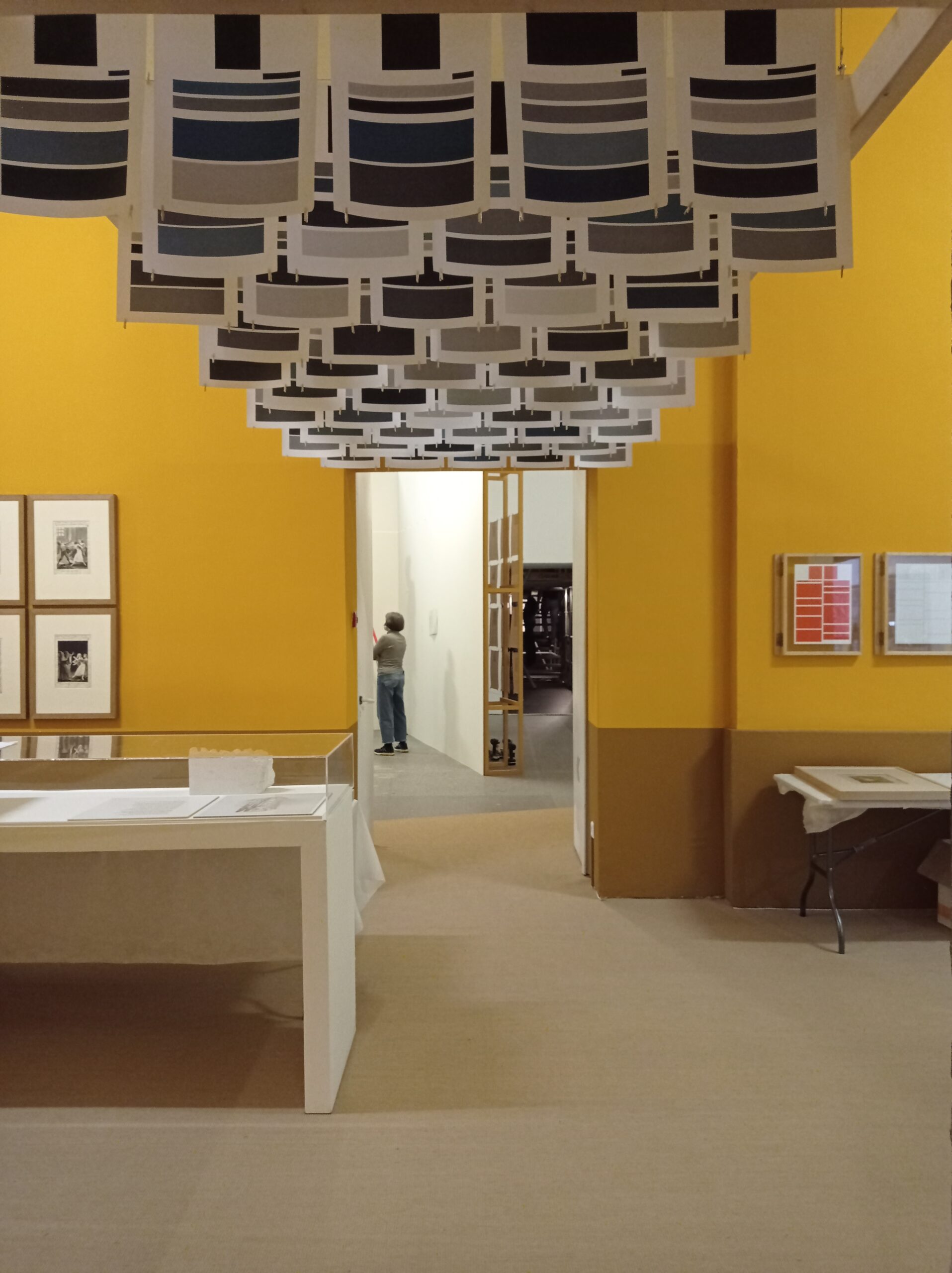
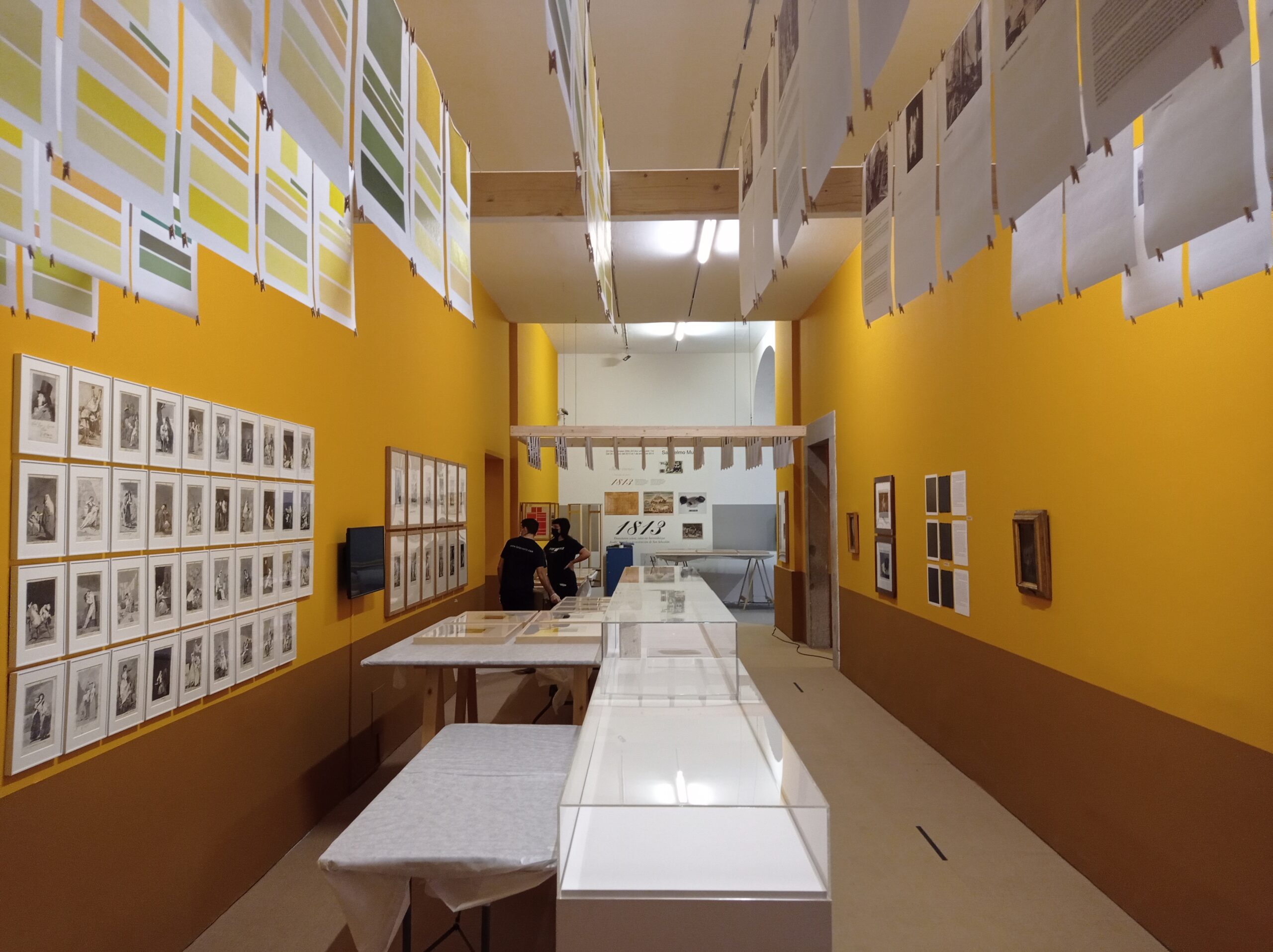
Espacialización de la exposición “Máquinas de Trovar” en el Museo Reina Sofía
Refurbishment and Exhibition Design at Sala Chaflán, Banco de España

Refurbishment and Exhibition Design at Sala Chaflán, Banco de España

At MEDIOMUNDO, led by Fernando Pérez and Marta Pelegrín, we conceive architecture as a process of dialogue between the memory of a place and contemporary needs. The refurbishment, restoration, and redesign of the Sala Chaflán at the historic Banco de España building in Madrid is a clear example of this philosophy.

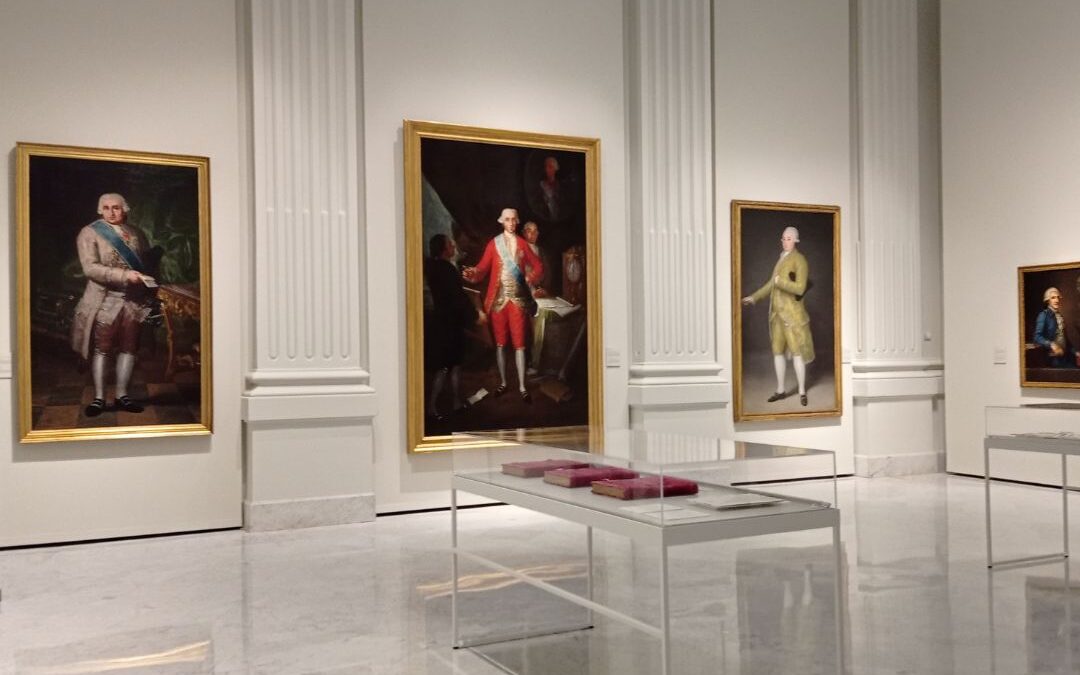
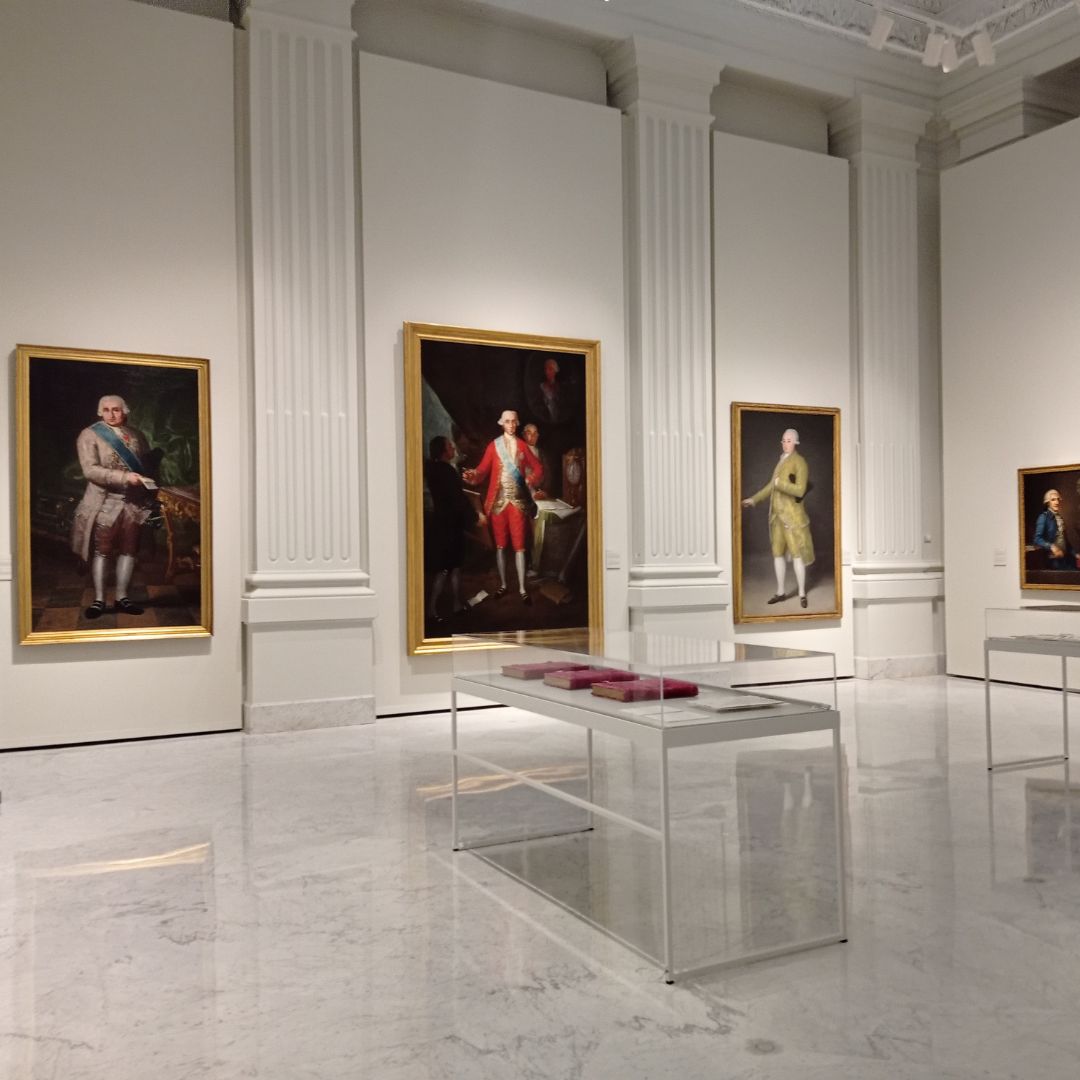
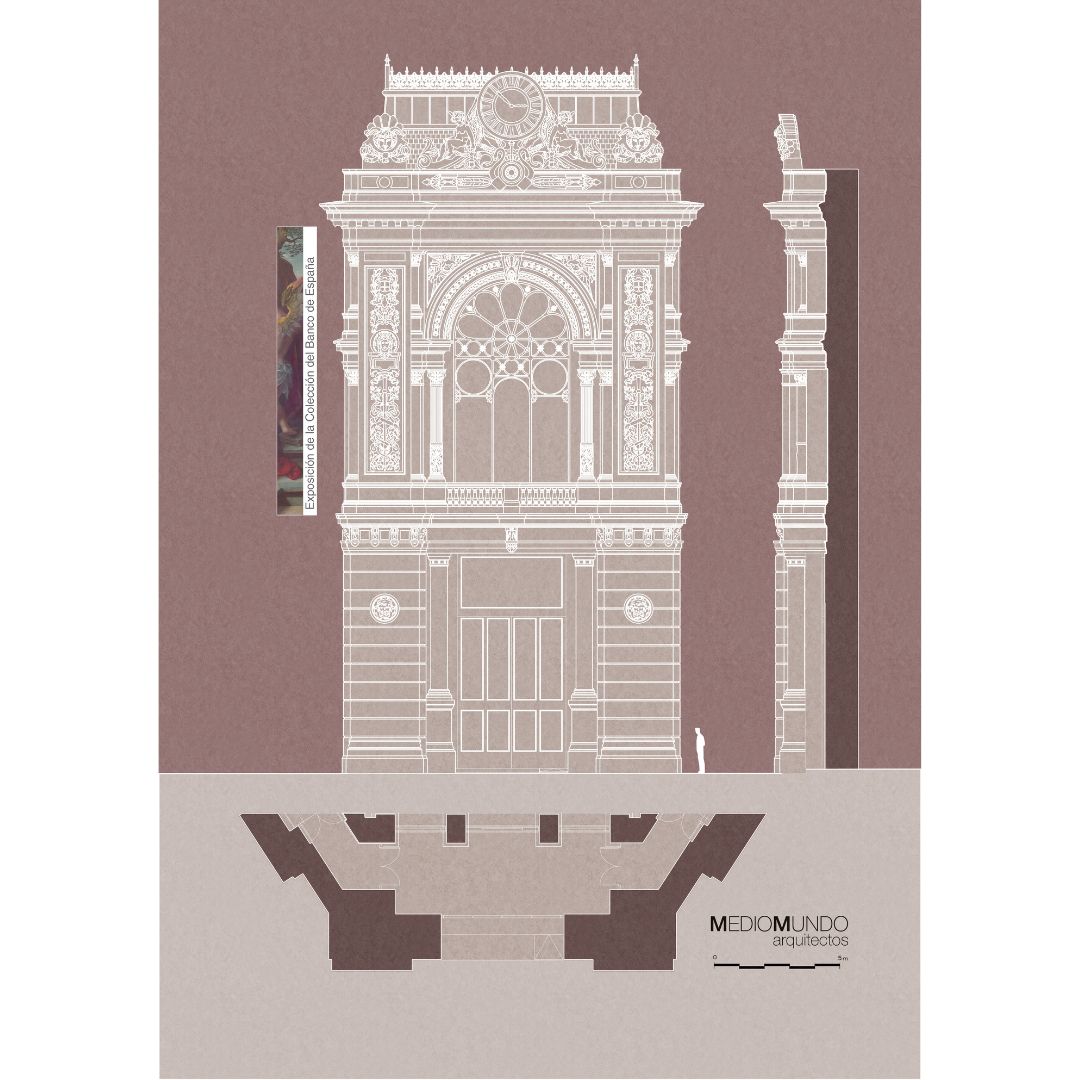
The intervention was inaugurated with the exhibition “2328 Reales de Vellón. Goya and the Origin of the Banco de España Collection”, for which we also designed the exhibition layout. Our aim was to guide visitors from the bustle of Plaza de Cibeles into a space for calm contemplation of the collection, creating a spatial and sensory transition that enhances both the artworks and the architectural setting.

The refurbishment of the entrance and transformation of the hall into a contemporary exhibition space involved the incorporation of advanced dry construction techniques and demountable systems, always respecting the original architecture. The restoration of historic elements was combined with the comprehensive modernisation of installations—lighting, security, and climate control—to ensure optimal conditions for the conservation of the Banco de España Collection.

At MEDIOMUNDO, we are committed to interventions that engage with history, integrating innovation, sustainability, and respect for heritage to create spaces that enrich the cultural and collective experience.

Rehabilitación y Diseño Expositivo en la Sala Chaflán de Cibeles, Banco de España
Research, Innovation and International Collaboration at the I BIAUS

Research, Innovation and International Collaboration at the I BIAUS

At MEDIOMUNDO, Marta Pelegrín and Fernando Pérez understand architecture as a process of research and shared learning, always open to international dialogue and the improvement of everyday life. Recently, we had the opportunity to present our research project at the I Biennial of Research in Architecture (I BIAUS), held at the Higher Technical School of Architecture in Seville.

The project, entitled “Prototype Design for the Rehabilitation of Domestic Space in 1950s-70s Residential Neighbourhoods, Germany”, was developed in collaboration with Hochschule Mainz and the University of Seville. The research addresses the rehabilitation of housing in post-war residential areas, exploring innovative solutions that respond to current challenges of habitability, sustainability, and social adaptation.

Sharing this experience with colleagues and professionals from different backgrounds was especially enriching, reaffirming our belief in the value of collaboration and knowledge exchange in contemporary architecture. The biennial has established itself as a meeting point for reflection on the profession, innovation, and international research.

Investigación, innovación y colaboración internacional en la I BIAUS
Revisiting the Faculty of Engineering in Montevideo

Revisiting the Faculty of Engineering in Montevideo

Architecture, Landscape, and Community

At MEDIOMUNDO, Marta Pelegrín and Fernando Pérez conceive architecture as a process of research, dialogue, and shared learning. Recently, together with professors and students from the Master’s programme at Frankfurt University of Applied Sciences, we had the privilege of revisiting the Faculty of Engineering in Montevideo—one of the most representative works of modern Uruguayan architecture, designed by Julio Vilamajó in 1936 and built between 1945 and 1953.

The building stands out for the functional and expressive articulation of its concrete volumes, which not only efficiently resolve the required spaces but also establish a special relationship with the surroundings and the Montevideo coastline, engaging with the landscape at different scales. The infrastructure, with its concrete detailing, textures, composition of openings, and entrances, is closely integrated into the daily life of the university community, fostering spaces for gathering and belonging.

Sharing this experience with Professor and architect Gustavo Scheps was truly a privilege, and an opportunity to reflect on the enduring relevance of modern architectural principles and their capacity to inspire new ways of inhabiting and designing.

Revisitar la Facultad de Ingeniería de Montevideo
Revisiting the Faculty of Architecture by Vilanova Artigas

Revisiting the Faculty of Architecture by Vilanova Artigas

Space, Material, and Learning

At MEDIOMUNDO, Marta Pelegrín and Fernando Pérez understand architecture as a process of research and constant dialogue with both context and history. Recently, together with students and professors from the University of Frankfurt, we had the opportunity to revisit the Faculty of Architecture designed by João Vilanova Artigas (1961) in São Paulo—an iconic work that continues to inspire new ways of inhabiting and designing.

The building is organised around a large central covered atrium, generating a continuous sequence of open spaces and varied scales. The simple and expressive concrete structure not only defines the materiality of the whole, but becomes the architecture itself: structure and space are one and the same, and the geometry of the form marks the turning point between matter and void.

This experience reinforces our belief in the importance of learning from architectural references, observing how architecture can generate community and encounter, and how the essential principles of the discipline remain relevant and open to new interpretations.

Revisitar la Facultad de Arquitectura de Vilanova Artigas
Visit to a House Refurbished by Angelo Bucci with the University of Frankfurt

Visit to a House Refurbished by Angelo Bucci with the University of Frankfurt

At MEDIOMUNDO, we understand architecture as a continuous learning process, open to dialogue and collaboration. Recently, we had the opportunity to take part in a visit to a house refurbished by the renowned Angelo Bucci studio, accompanied by the project’s own architects as well as students and professors from the University of Frankfurt.

The house, with its simple exposed concrete structure, was conceived from the outset as a hybrid space, able to accommodate both domestic life and work. The intervention highlights the spatial quality of the double-height area, where coloured volumes are inserted and anchored, creating a dynamic scene open to the exterior.

Experiences like this reinforce our belief in the importance of sharing knowledge and exploring new ways of inhabiting, always attentive to the relationship between the existing and the contemporary. The visit became a space for exchange and reflection on the challenges and opportunities offered by contemporary architecture.

Visita a una vivienda rehabilitada por Angelo Bucci junto a la Universidad de Frankfurt