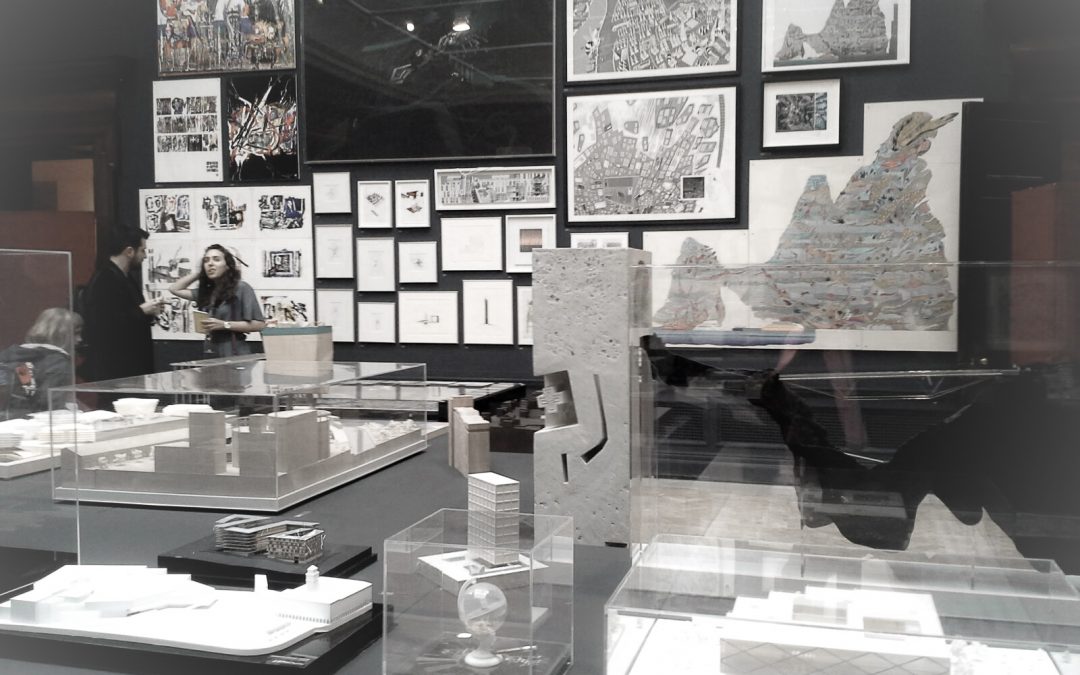
Marta Pelegrín, Jury for the Heinz-Stillger Stiftung Prize

Marta Pelegrín, Jury for the Heinz-Stillger Stiftung Prize

International Recognition for Innovation

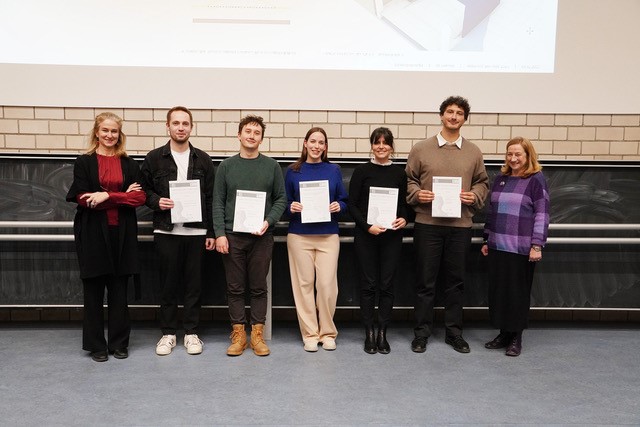
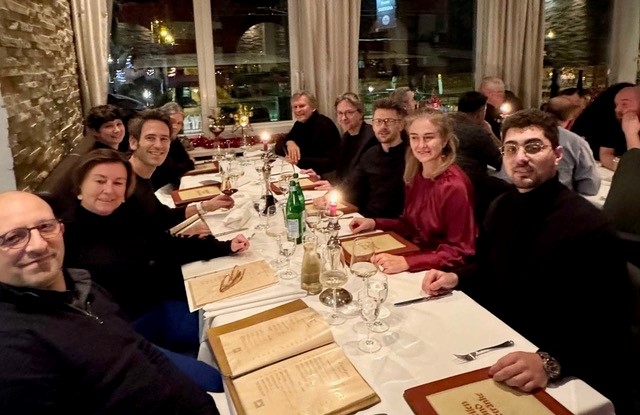
At MEDIOMUNDO, Marta Pelegrín and Fernando Pérez conceive architecture as a discipline in constant transformation, where research and innovation are essential to address the challenges of today and tomorrow. We are therefore proud to share that Marta Pelegrín served as a jury member for the Heinz-Stillger Stiftung Prize, awarded by TU Darmstadt to the most outstanding research in innovation applied to architectural projects.

The award ceremony took place during the Architectural Innovation Congress at TU Darmstadt, an international reference point for the exchange of ideas and reflection on the future of the discipline. We congratulate the prize-winning researchers and celebrate the opportunity to contribute, from MEDIOMUNDO, to the recognition and promotion of architectural research at an international level.

Marta Pelegrín, jurado en el Premio Heinz-Stillger Stiftung
MEDIOMUNDO at the Launch of the World Design Capital Frankfurt RheinMain 2026

MEDIOMUNDO at the Launch of the World Design Capital Frankfurt RheinMain 2026

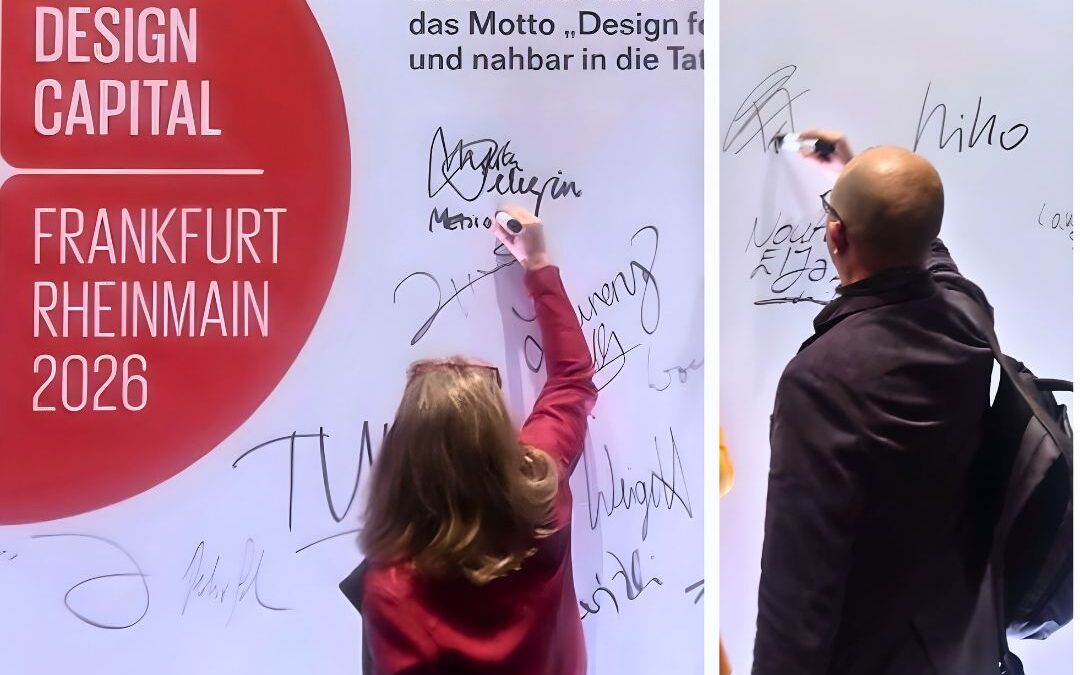
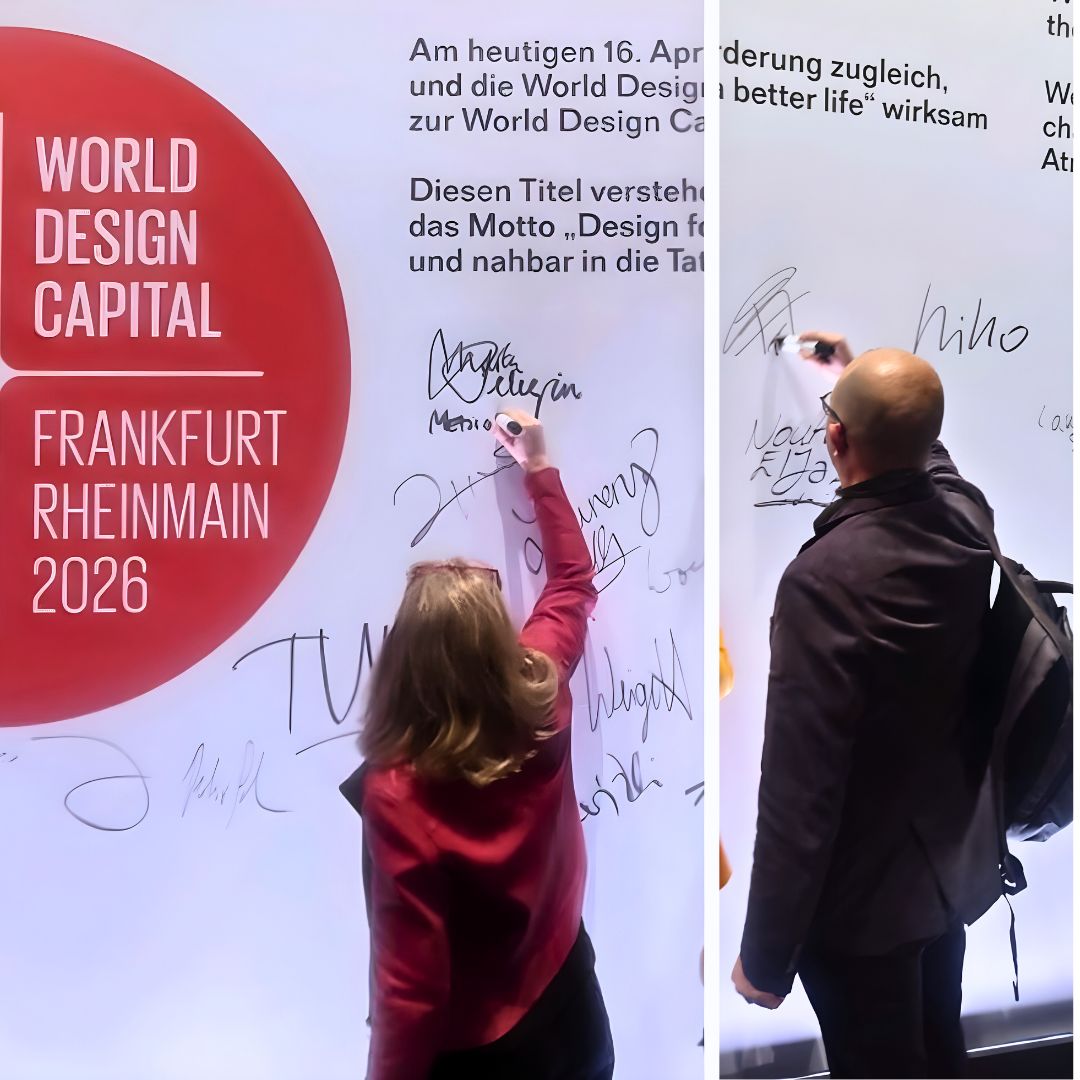
At MEDIOMUNDO, Marta Pelegrín and Fernando Pérez see design as a fundamental tool for innovative and sustainable urban transformation. Recently, we had the privilege of taking part in the international launch event for the World Design Capital Frankfurt RheinMain 2026, an occasion that brought together over 400 people and marked the beginning of a collective journey towards a more responsible and creative future.

Our participation was symbolised by signing the event’s panel, a gesture representing the shared commitment of all attendees to building a common horizon, where design acts as a driver of social, cultural, and urban change.

From MEDIOMUNDO, we celebrate the opportunity to be part of this international network and to contribute, through our experience and vision, to the creation of more liveable, inclusive, and sustainable urban environments.

MEDIOMUNDO en el inicio de la Capital Mundial del Diseño Frankfurt RheinMain 2026
Marta Pelegrín, Jury for the 2024 Spanish Architecture Gold Medal

Marta Pelegrín, Jury for the 2024 Spanish Architecture Gold Medal

Recognition and Commitment

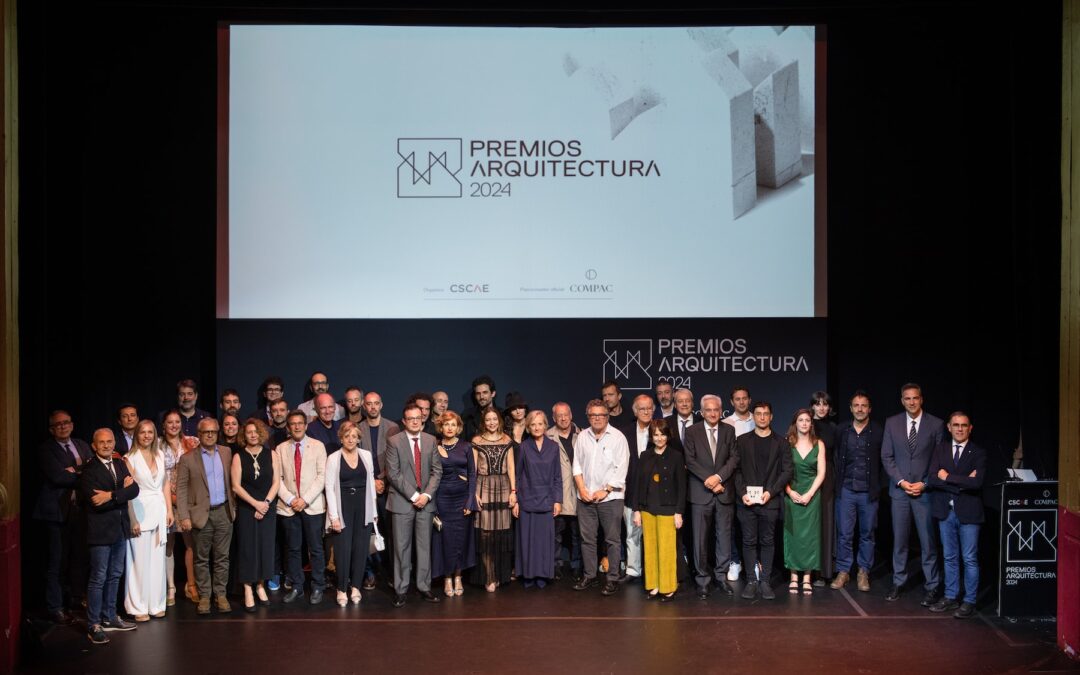
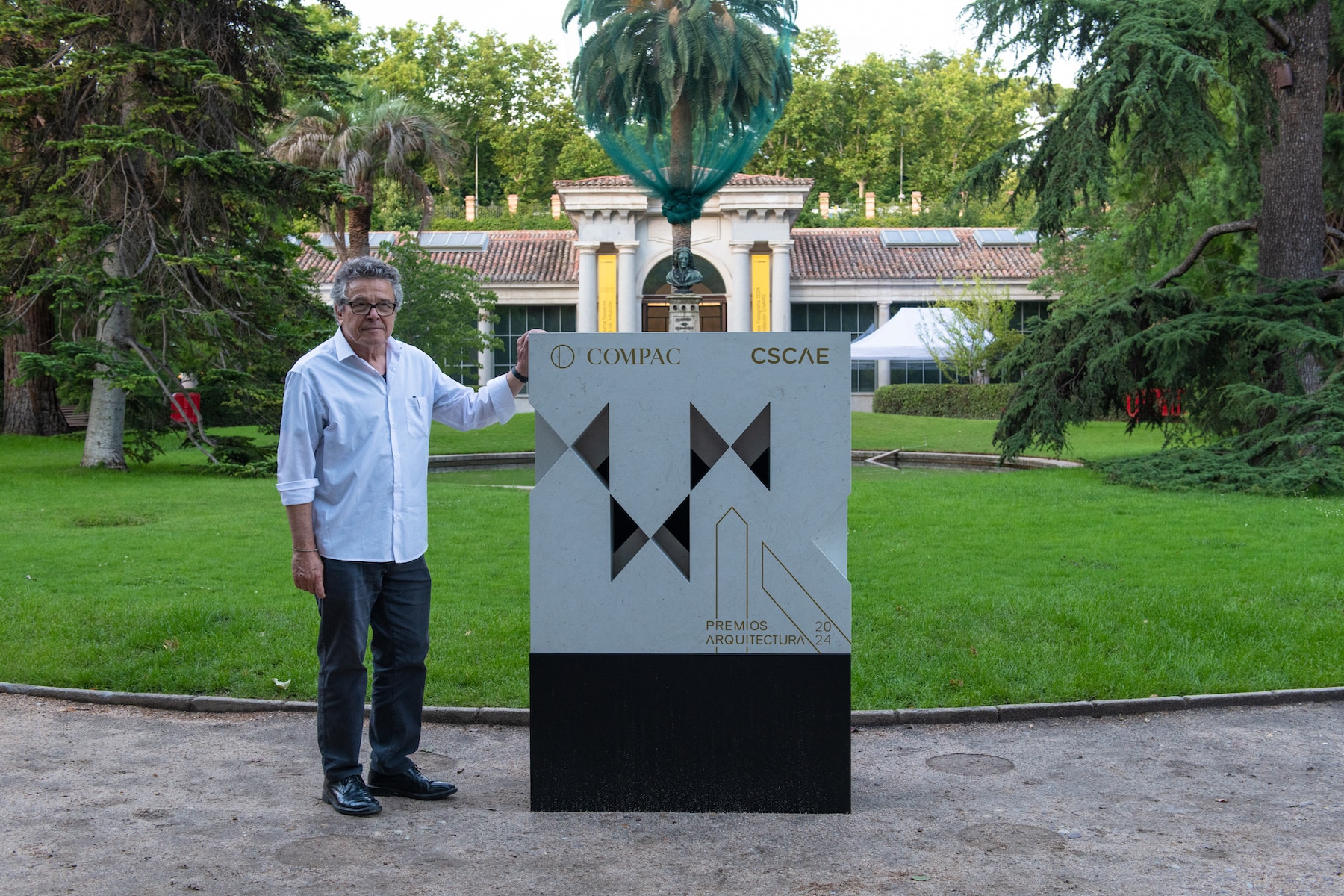
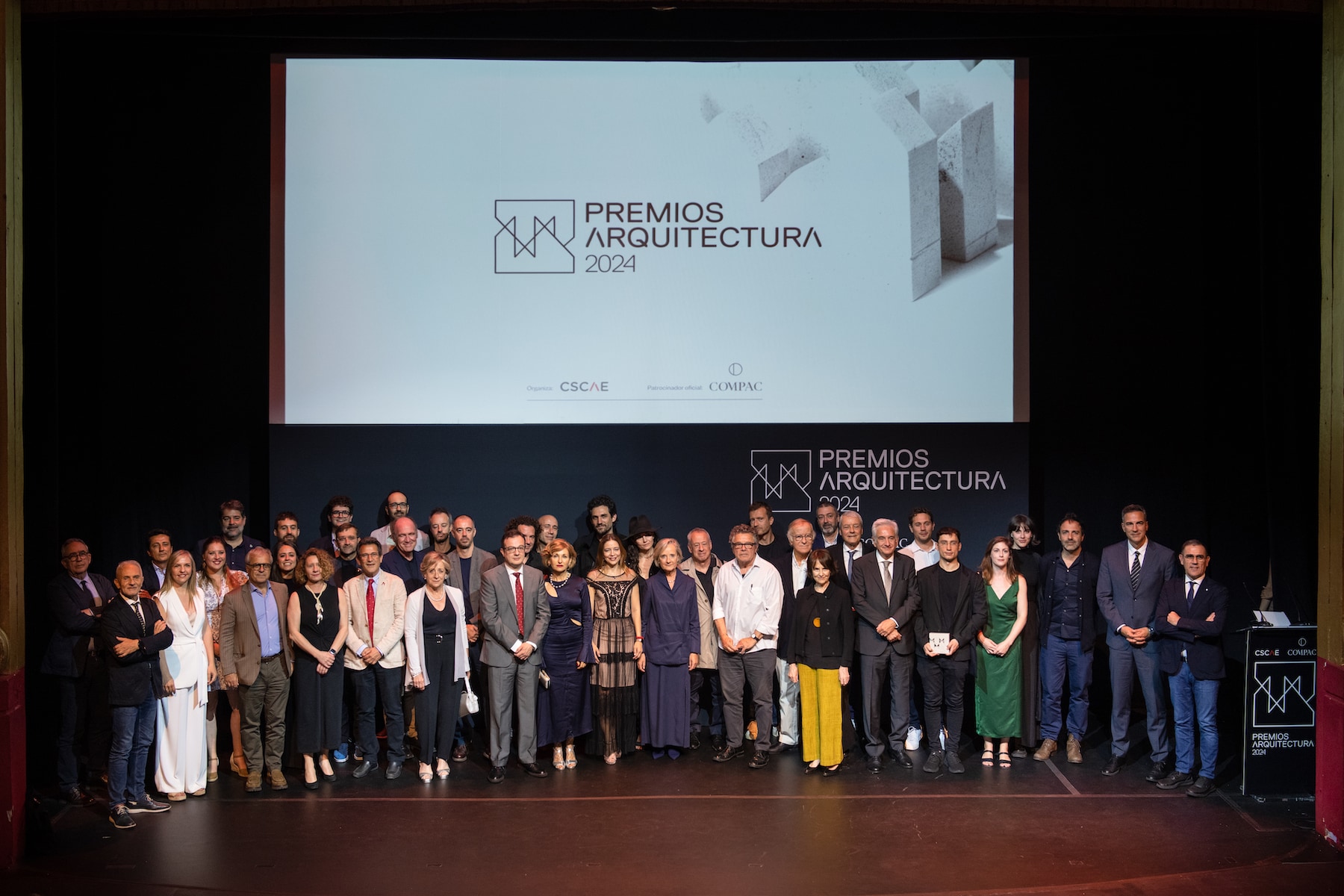
At MEDIOMUNDO, Marta Pelegrín and Fernando Pérez understand architecture as a discipline committed to excellence, culture, and the recognition of exemplary careers. We are therefore proud to share that Marta Pelegrín served as a jury member for the 2024 Spanish Architecture Gold Medal, awarded to architect Josep Llinàs.

The award ceremony took place at the Teatro Reina Victoria in Madrid and the Royal Botanical Garden, both emblematic venues that highlight the value of the Landscape of Light, a UNESCO World Heritage Site. This context reinforces the importance of architecture as a generator of identity, memory, and cultural landscape.

We congratulate all the awardees and celebrate the opportunity to contribute, from MEDIOMUNDO, to the recognition and dissemination of contemporary Spanish architecture, reaffirming our commitment to the profession and architectural culture.

Reconocimiento y compromiso: Marta Pelegrín, jurado en la Medalla de Oro de la Arquitectura Española 2024
Exhibition Design, “Audiosphere” Museo Nacional Centro de Arte Reina Sofía

Exhibition Design, “Audiosphere” Museo Nacional Centro de Arte Reina Sofía

Technical Data
Architects/Authors:
MEDIOMUNDO Arquitectos. Marta Pelegrín + Fernando Pérez.
Category:
Exhibition Design
PROGRAMME:
Interior Design. Exhibition and furniture design.
SITUATION:
Reina Sofía museum and art center. Madrid
AREA:
1300m2
DATES:
2018-2020
COLLABORATORS:
Jose Pedraza, Sergio Rodríguez, Leonardo Muñoz, Álvaro Arrans
PROMOTORS:
Museo Nacional Centro de Arte Reina Sofía.
ADVISORS
Antoni Rueda. Lighting
José A Lubiano. Cost planner
PHOTOS:
Joaquín Cortés/ Román Lores (Archivo  MNCARS) y MEDIOMUNDO Arquitectos

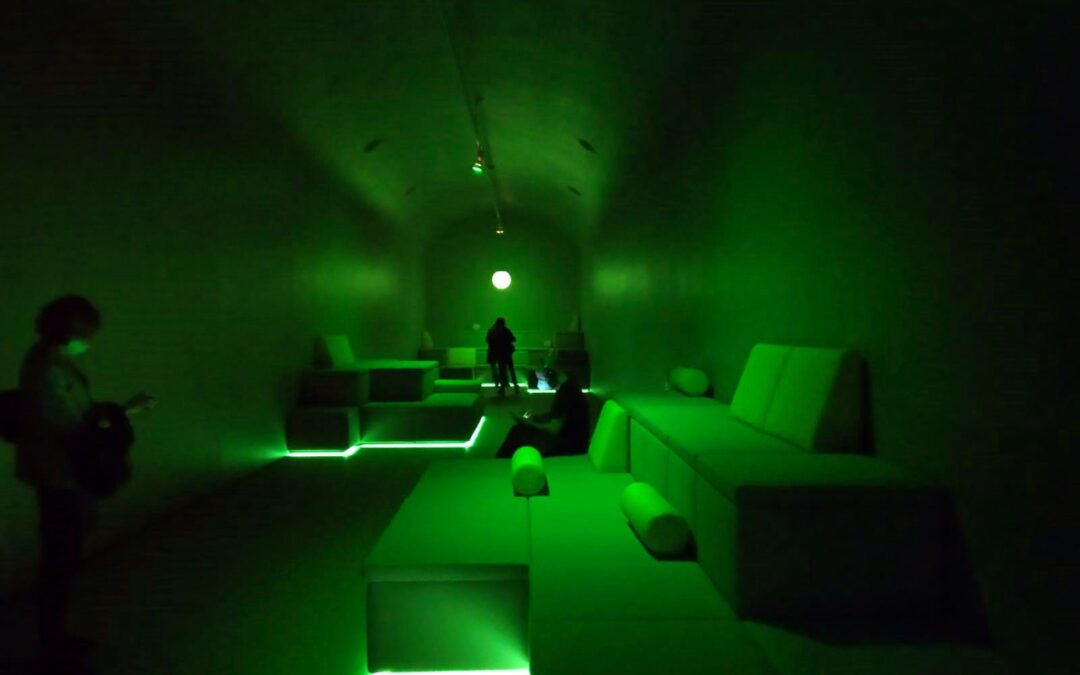
Marta Pelegrín & MEDIOMUNDO arquitectos  have been Commissioned Final Design & Technical Development of fit-out works, advisors and supplier’s management, as well as onsite construction quality surveillance coordination, for the exhibition on Audio Contemporary Social Art curated by Francisco López Reina Sofía National Art Center Museum: April – September 2020, in in the 3rd floor Sabatini Building Reina Sofia Exhibition galleries.

“The objective of this exhibition is to present to the public interested in contemporary art not only a plethora of unknown audio-artists (many of whom have extensive careers spanning decades), but also – and crucially – contents and experiences for a broad reflection on a monumental social process of artistic change in the field of sound creation.

This exhibition also aims to cover a historical and cultural vacuum in the recognition, exhibition and analysis of a essential part of the changes in the artistic conception of work Creative with sound. This poor representation is largely due to the persistence of classic paradigms – significant but overwhelming – stories as the “pioneers”, the “avant-garde”, the linear-chronological (or monophyletic) and, in the specific case of contemporary art, naturally also the Prevalence of the visual and the objectual. This exhibition will therefore present a critical and constructive reconsideration of these paradigms and their effects in the understanding and practice of creative artistic work with sound.

SHANGHAI – ARCHITECTURE – EVERY DAY LIFE PREPOSITIONS

SHANGHAI – ARCHITECTURE – EVERY DAY LIFE PREPOSITIONS

Technical Data

ARCHITECTS/AUTHORS:
MEDIO MUNDO Arquitectos. Marta Pelegrín + Fernando Pérez.

PROJECT:
Arquitectura Dispuesta Shanghai
PROGRAMME:
Arquitectura Dispuesta: Preposiciones Cotidanas Shanghai
SITUATION:
Tongji CAUP University, Shanghai
DATES:
7 Nov – 15 Dec 2017
COLLABORATORS:
Alejandro Bejarano, Valentin Berlanga, Luz Pardo, Alice Simpkins-Woods, Amelia Maresca
PROMOTORS:
College of Architecture and Urban Planning of Tongji University, Sino-Spanish Campus at Tongji University
MOUNTING:
College of Architecture and Urban Planning of Tongji University + MEDIOMUNDO ARQUITECTOS
SURFACE:
Exhibition space only: 407.8m2. Extended Surface area: 1395.48m2

ARCHITECTURE SET: EVERYDAYLIFE PREPOSITIONS is an exhibition, workshop and lecture program aiming to show the processes with which a selection of contemporary architectural practices are involved in. This program gathers together architecture proposals and works that display pragmatic and experimental approaches and which condense and manifest an intense relationship with the urban, social, political and productive environment in which they materialize.

     As result of a professional attitude based on the importance given to processes, the attention payed to material expression, and the consideration of producing agents, builders and people involved, the displayed works show spatial and material proposals whose processes and techniques mediate between the Zeitgeist (in German, the spirit of an era) and Erfindergeist (in German, their ingenuity).

     These Architectural practices, with their various precedents and different context, are involved in the construction of urban spaces, productive spaces and dwellings; that is, our everyday habitat.
So that, this program sets out in order to show, discuss and develop the links between architectural practice and the social and cultural context in which it is produced.

     With previous editions in Seville (2014) Evora (2015) and Madrid (2016), the traveling exhibition ‘Arquitectura Dispuesta / Preposiciones Cotidianas – Architecture Set / Everyday Prepositions´ (AD/PC) arrives to Shanghai with a focus on the ideas of continuity, renovation, and ultimately, with an expanding notion of heritage.

     There is a powerful reason for this apparent haphazard bridge that AD/PC establishes between the South of Europe and East Asia: Basically, how the attention towards the idea of different, or alternative, paths of development, has risen in two very different circumstances. In the case of Southern Europe, the brutal cancellation of any expectative of growth has produced an intense debate about what is architecture among those who practice it in very different fields. At the same time, the emergence of a critical, pragmatic approach to the production of architecture in Eastern Asia has deeply questioned the absence of constraints in the relationship between development and the environment. Therefore, two deeply committed stances have the opportunity to sit down, meet, gather, and speak.

     According to contemporary means of defining, what is heritage?, different conceptual frameworks emerge. The most ancient ones would refer to the idea of connection with the past. History would thus be the measure against which to evaluate the contribution of architecture to the definition of culture. Most recent, people-centered approaches would insist in the importance of experience, which besides phenomenology would ultimately render as valuable any kind of appealing architecture no matter whatsoever purposes their producers would expect to achieve.

     The proposal of AD/S would remain in an intermediate stage, establishing a series of values -architectural and urban; historic; cultural; social and economic- which would generate pairs of related concepts ultimately linked by everyday prepositions. These pairs of concepts would be at the forefront in the discussions of the workshop, which would be arranged in five different discussion tables. The pairs would be:

– Materiality and culture,
– Memory and imagination,
– Nature and technology,
– The public and the commons,
– Recycling and synergy.

     Focusing on how does architecture and architects respond to the question of heritage, the different works displayed are grouped into three categories: New Life for Existing Buildings, New Buildings for New C ontexts; L arge Scale Heritage (Landscape, City and Territory). One synthesis of the previous editions of AD/PC, and the work of four editorial practices complete the exhibition

     However, there are multiple additional ways to visit and explore the exhibition. Several itineraries are allowed; all of them with the same preference as the others. Through categories such as “what” (types, uses, activity) “how” (scale, technology, materiality) or ‘where’ (city, town, urban, rural), each of the visitors are able to design their own journey. As an open platform, we invite you to explore and propose further unexpected connections.

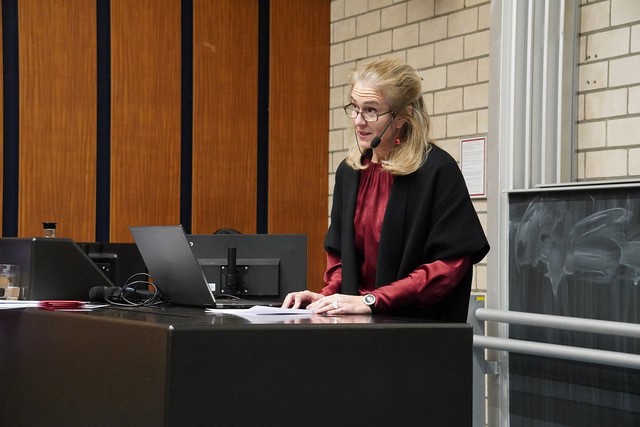
 

Royal Academy of Arts London

Royal Academy of Arts London

Technical Data

ARCHITECTS/AUTHORS:
MEDIO MUNDO Arquitectos. Marta Pelegrín + Fernando Pérez.

PROJECT:
Royal Academy of Art London
DATE:
2016
PLACE:
London
PROMOTOR:
Royal Academy of Arts London
COLLABORATORS:
Caludia Cerelli.

 View a digitised version of this exhibition catalogue here: https://www.royalacademy.org.uk/art-artists/exhibition-catalogue/ra-sec-vol248-2016

ARCHITECTURE SET: EVERYDAYLIFE PREPOSITIONS is an exhibition, workshop and lecture program aiming to show the processes with which a selection of contemporary architectural practices are involved in. This program gathers together architecture proposals and works that display pragmatic and experimental approaches and which condense and manifest an intense relationship with the urban, social, political and productive environment in which they materialize.

     As result of a professional attitude based on the importance given to processes, the attention payed to material expression, and the consideration of producing agents, builders and people involved, the displayed works show spatial and material proposals whose processes and techniques mediate between the Zeitgeist (in German, the spirit of an era) and Erfindergeist (in German, their ingenuity).

     These Architectural practices, with their various precedents and different context, are involved in the construction of urban spaces, productive spaces and dwellings; that is, our everyday habitat.
So that, this program sets out in order to show, discuss and develop the links between architectural practice and the social and cultural context in which it is produced.

     With previous editions in Seville (2014) Evora (2015) and Madrid (2016), the traveling exhibition ‘Arquitectura Dispuesta / Preposiciones Cotidianas – Architecture Set / Everyday Prepositions´ (AD/PC) arrives to Shanghai with a focus on the ideas of continuity, renovation, and ultimately, with an expanding notion of heritage.

     Currently the production of heritage has become an encompassing purpose. And for architecture, it no longer refers to how buildings relate to the past, but to how they interact with their context in order to assemble the future. Apparently, and in light of recent massive urban destruction for the sake of modernization, the idea of bringing this topic as a thread for an exhibition in Shanghai would seem almost cynical. But right on the contrary, calling attention towards it has become a motivator for current development. Our heritage is no longer inherited, but produced. It is not found, but unveiled.

     There is a powerful reason for this apparent haphazard bridge that AD/PC establishes between the South of Europe and East Asia: Basically, how the attention towards the idea of different, or alternative, paths of development, has risen in two very different circumstances. In the case of Southern Europe, the brutal cancellation of any expectative of growth has produced an intense debate about what is architecture among those who practice it in very different fields. At the same time, the emergence of a critical, pragmatic approach to the production of architecture in Eastern Asia has deeply questioned the absence of constraints in the relationship between development and the environment. Therefore, two deeply committed stances have the opportunity to sit down, meet, gather, and speak.

     According to contemporary means of defining, what is heritage?, different conceptual frameworks emerge. The most ancient ones would refer to the idea of connection with the past. History would thus be the measure against which to evaluate the contribution of architecture to the definition of culture. Most recent, people-centered approaches would insist in the importance of experience, which besides phenomenology would ultimately render as valuable any kind of appealing architecture no matter whatsoever purposes their producers would expect to achieve.

     The proposal of AD/S would remain in an intermediate stage, establishing a series of values -architectural and urban; historic; cultural; social and economic- which would generate pairs of related concepts ultimately linked by everyday prepositions. These pairs of concepts would be at the forefront in the discussions of the workshop, which would be arranged in five different discussion tables. The pairs would be:

– Materiality and culture,
– Memory and imagination,
– Nature and technology,
– The public and the commons,
– Recycling and synergy.

     Focusing on how does architecture and architects respond to the question of heritage, the different works displayed are grouped into three categories: New Life for Existing Buildings, New Buildings for New C ontexts; L arge Scale Heritage (Landscape, City and Territory). One synthesis of the previous editions of AD/PC, and the work of four editorial practices complete the exhibition

     However, there are multiple additional ways to visit and explore the exhibition. Several itineraries are allowed; all of them with the same preference as the others. Through categories such as “what” (types, uses, activity) “how” (scale, technology, materiality) or ‘where’ (city, town, urban, rural), each of the visitors are able to design their own journey. As an open platform, we invite you to explore and propose further unexpected connections.